
Outdoor privacy
How to create shelter and privacy in the garden, on the terrace, and on the balcony
When furnishing outdoor spaces, comfort isn’t just about furniture and aesthetics. Shelter and privacy are crucial factors if the garden, terrace, or balcony is to be used—and enjoyed—to its full potential. Wind, lack of shade, and insufficient screening can quickly make even the most beautiful outdoor space feel less inviting.
Fortunately, with relatively simple measures, you can create screening that feels both natural and flexible. In this guide, we take a closer look at how furniture, plants, and textiles can work together to create more calm, better shelter, and an outdoor space that invites you to linger—without closing itself off.

Screening with furniture – when function and design go hand in hand
Furniture plays a much greater role in creating privacy and shelter than many people realise. With the right placement, furniture can function as active elements in screening—especially on terraces and balconies, where permanent solutions are not always possible.
Use lounge furniture as a sheltering element
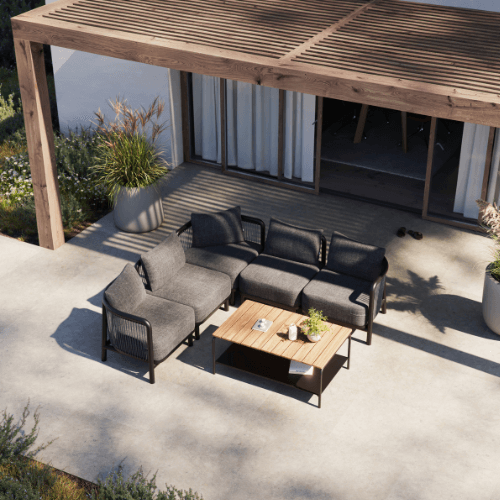
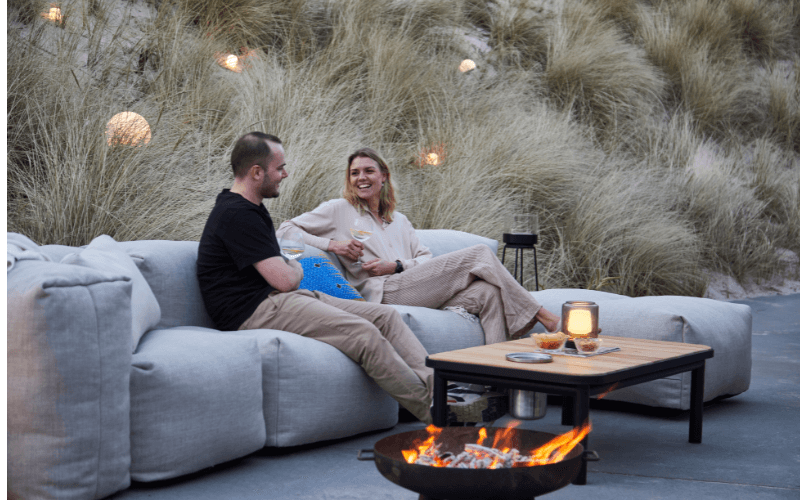
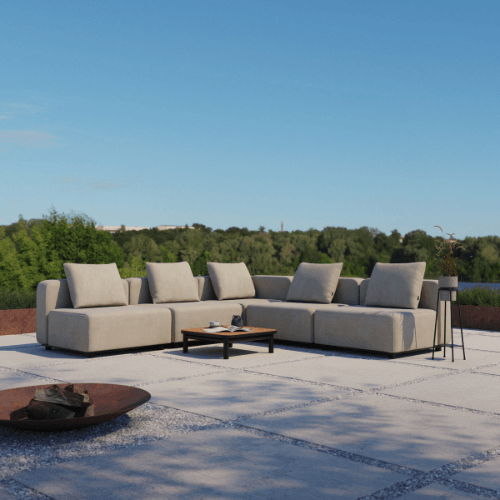
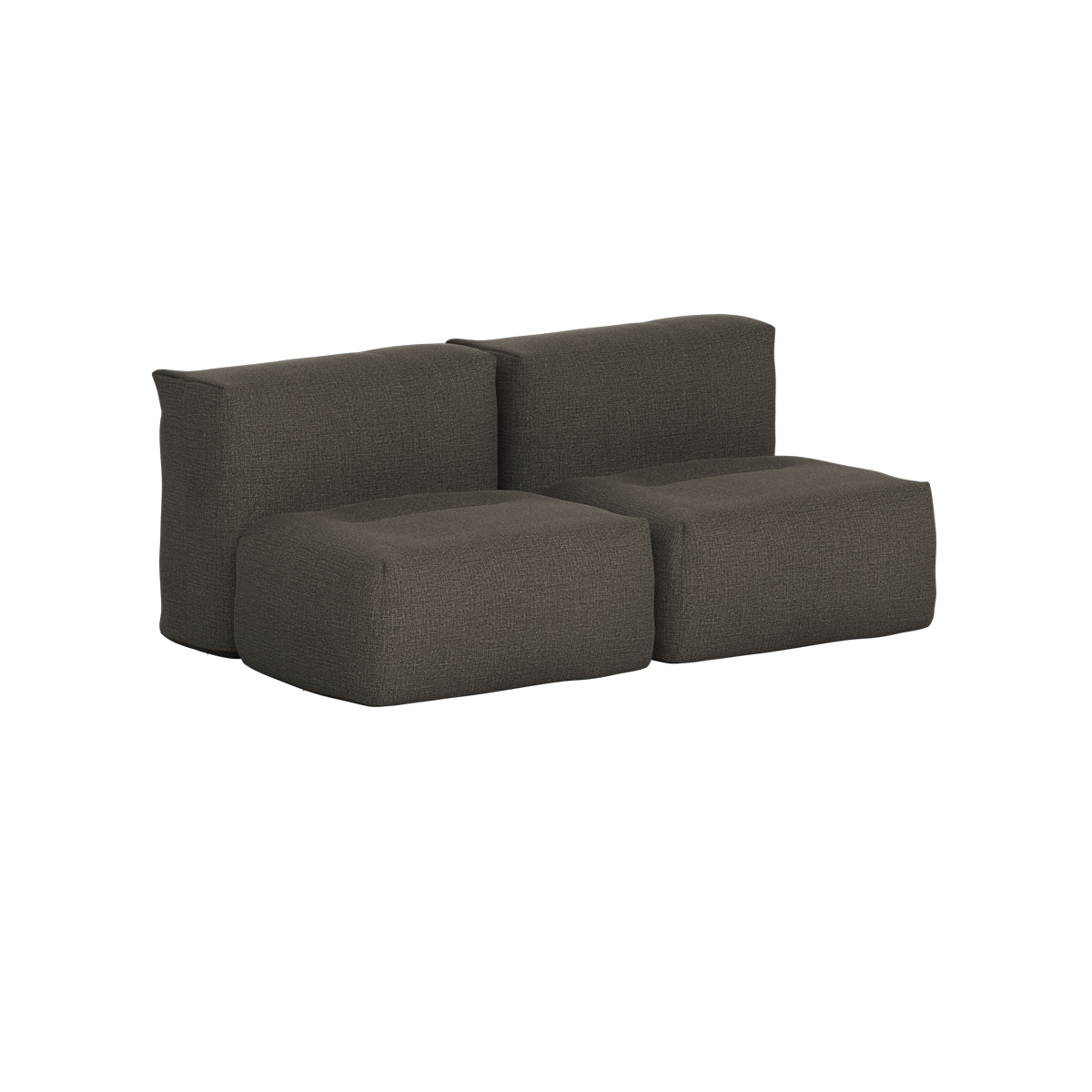
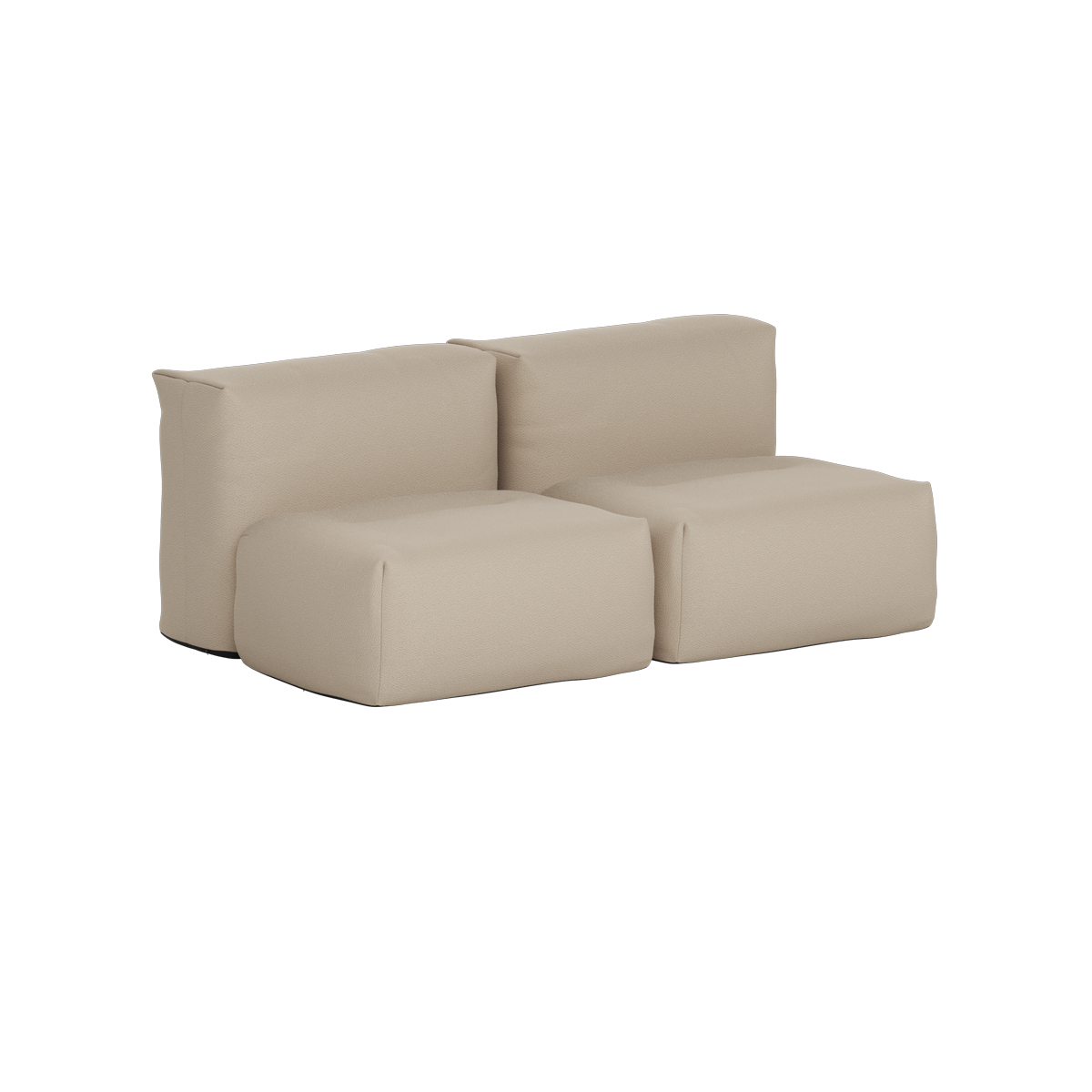
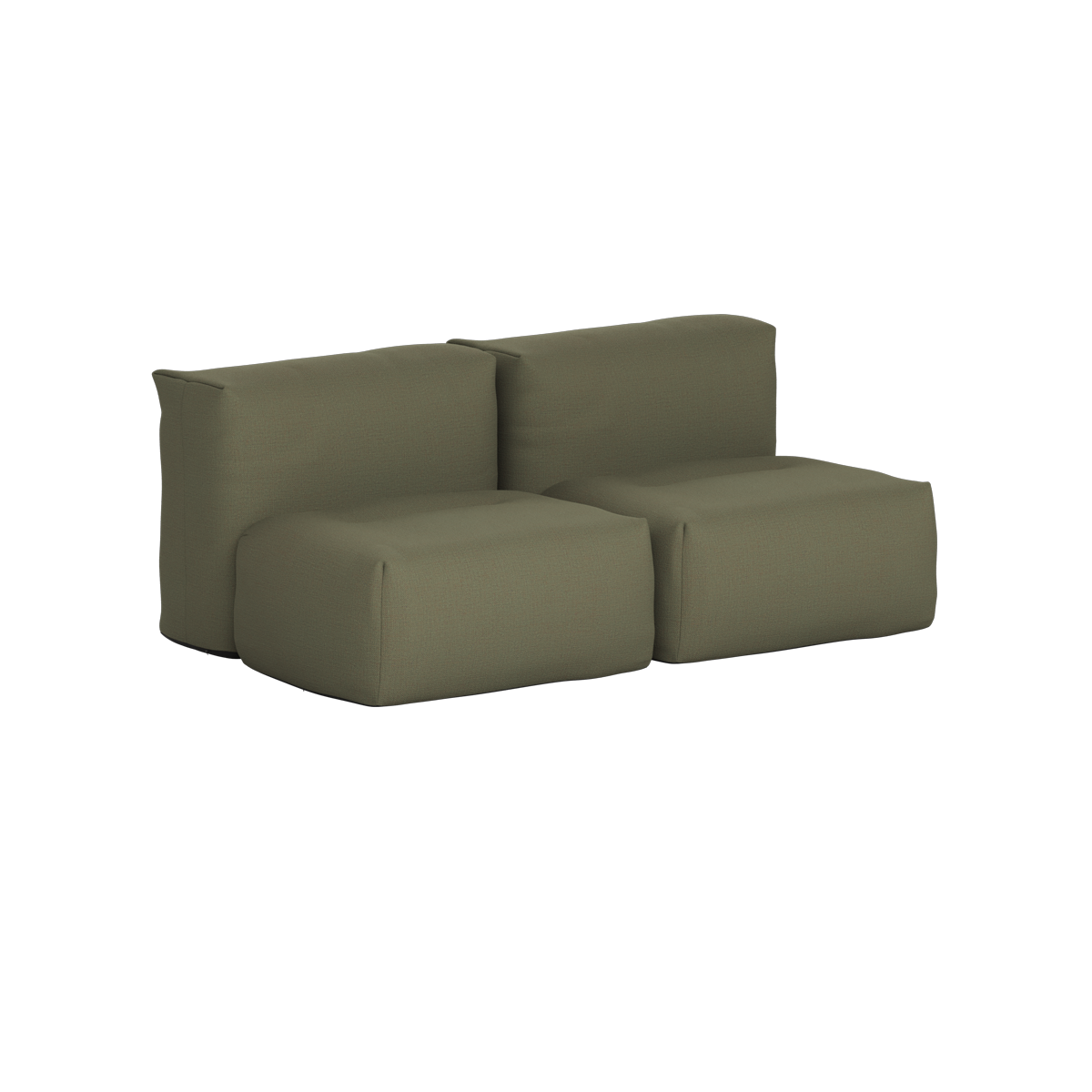
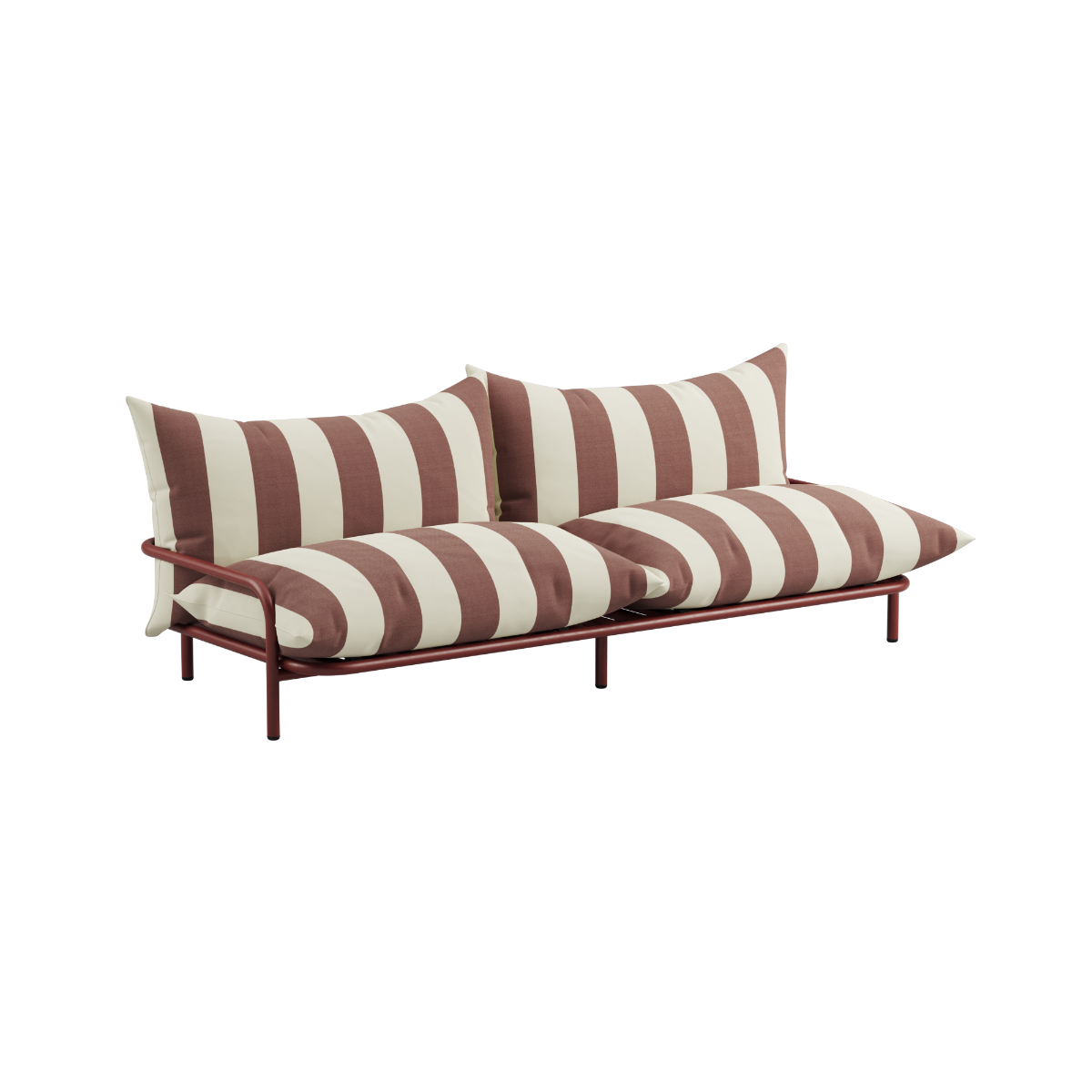
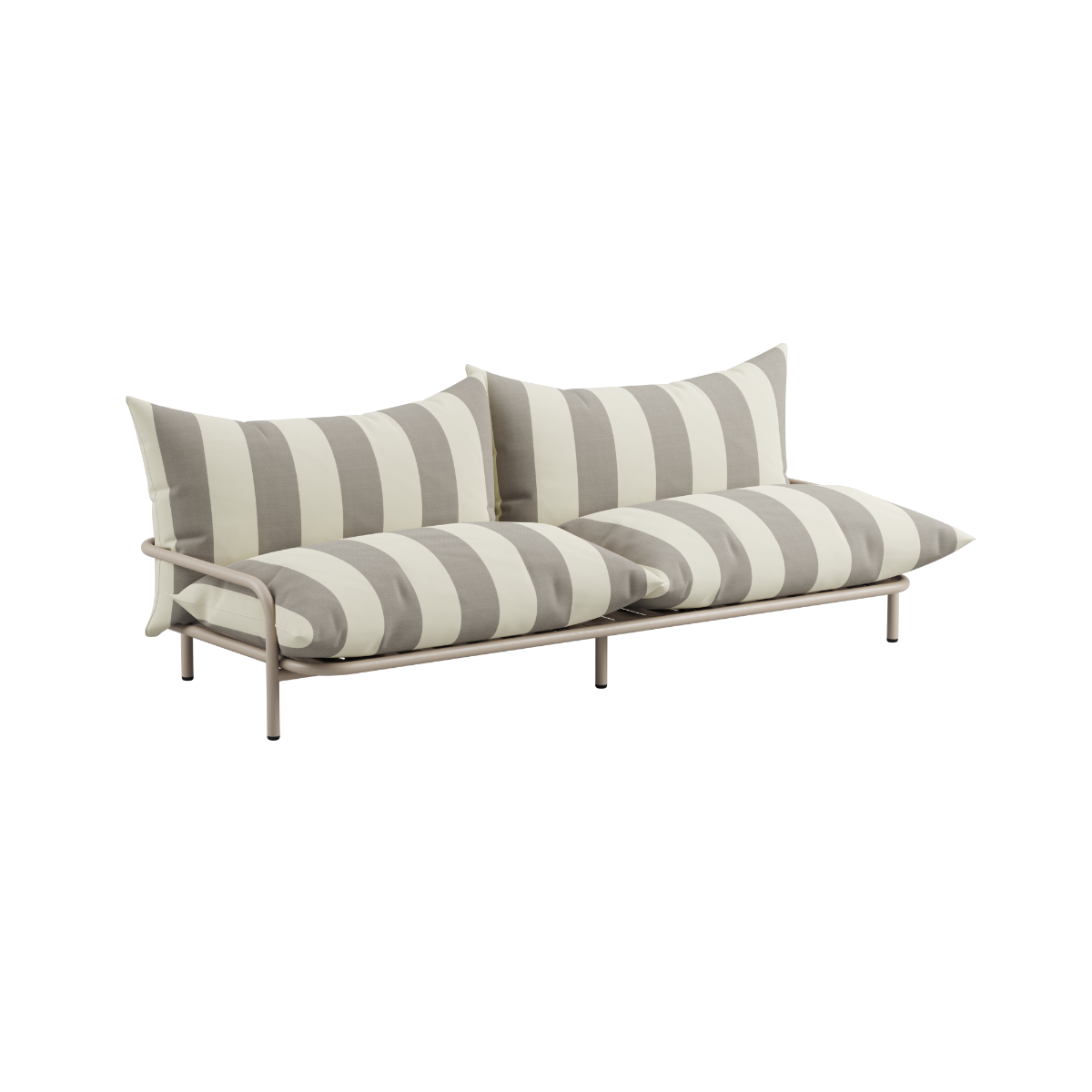
Sofas and modular lounge furniture with high backs can effectively break the wind and create a more protected zone. This is particularly relevant on open terraces, where the wind often comes from the same direction.
A lounge area positioned with its back to the wind creates:
- Better shelter without additional structures
- A clear definition of space
- Increased privacy in the seating area
Here, outdoor lounge furniture can act as a discreet yet effective form of screening—while still maintaining an open and welcoming feel.
Flexible solutions for balconies and smaller terraces
On a balcony, space is limited, which makes flexibility essential:
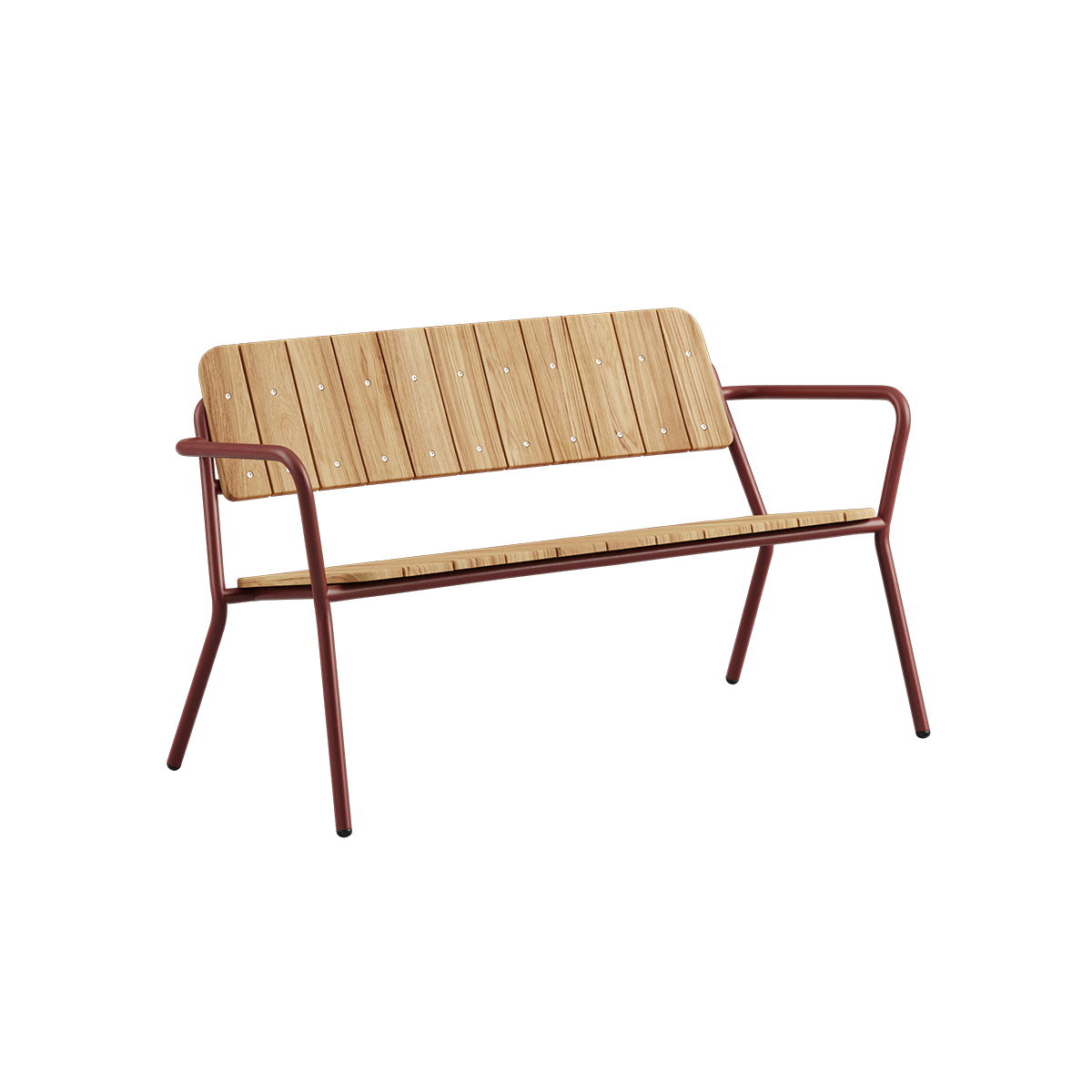
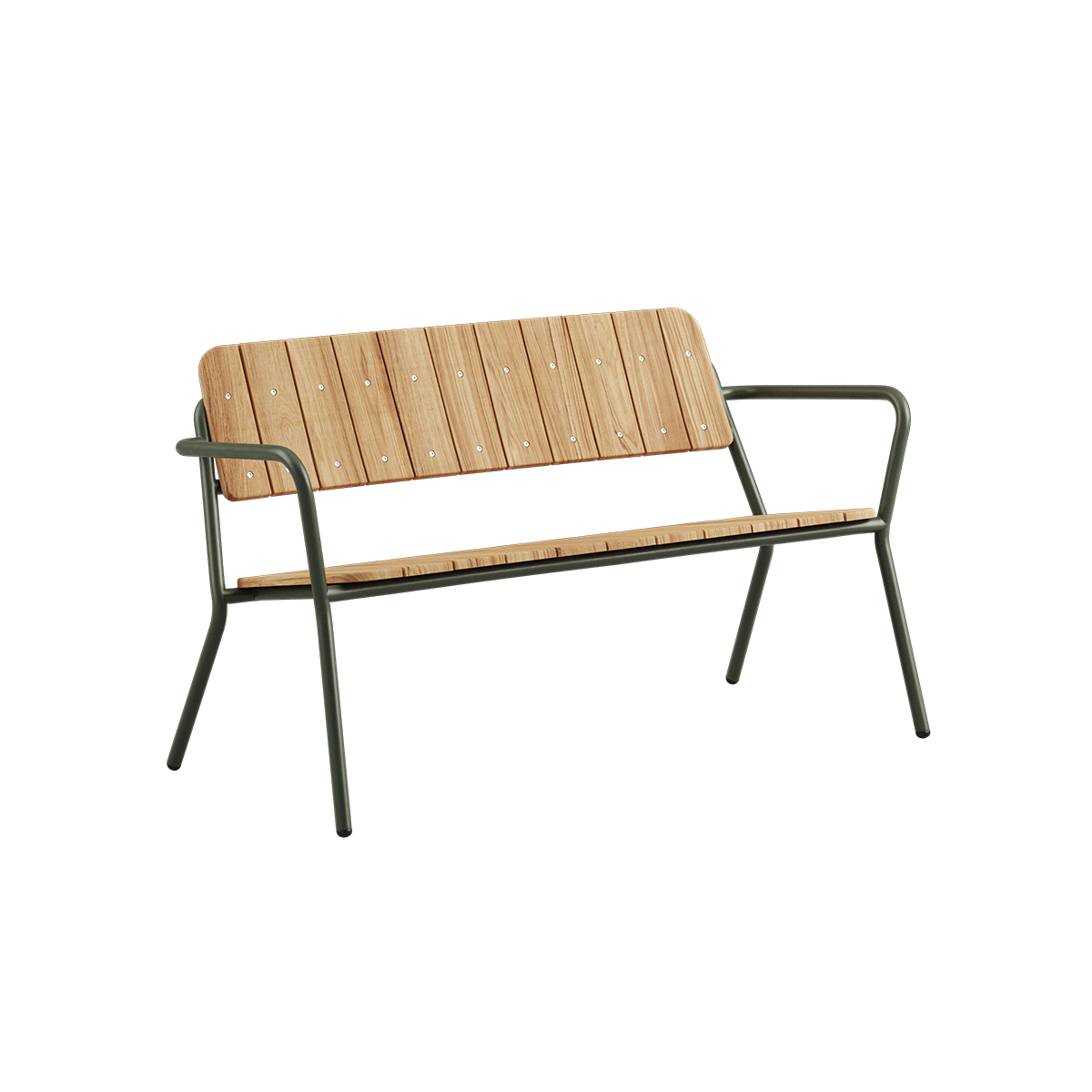
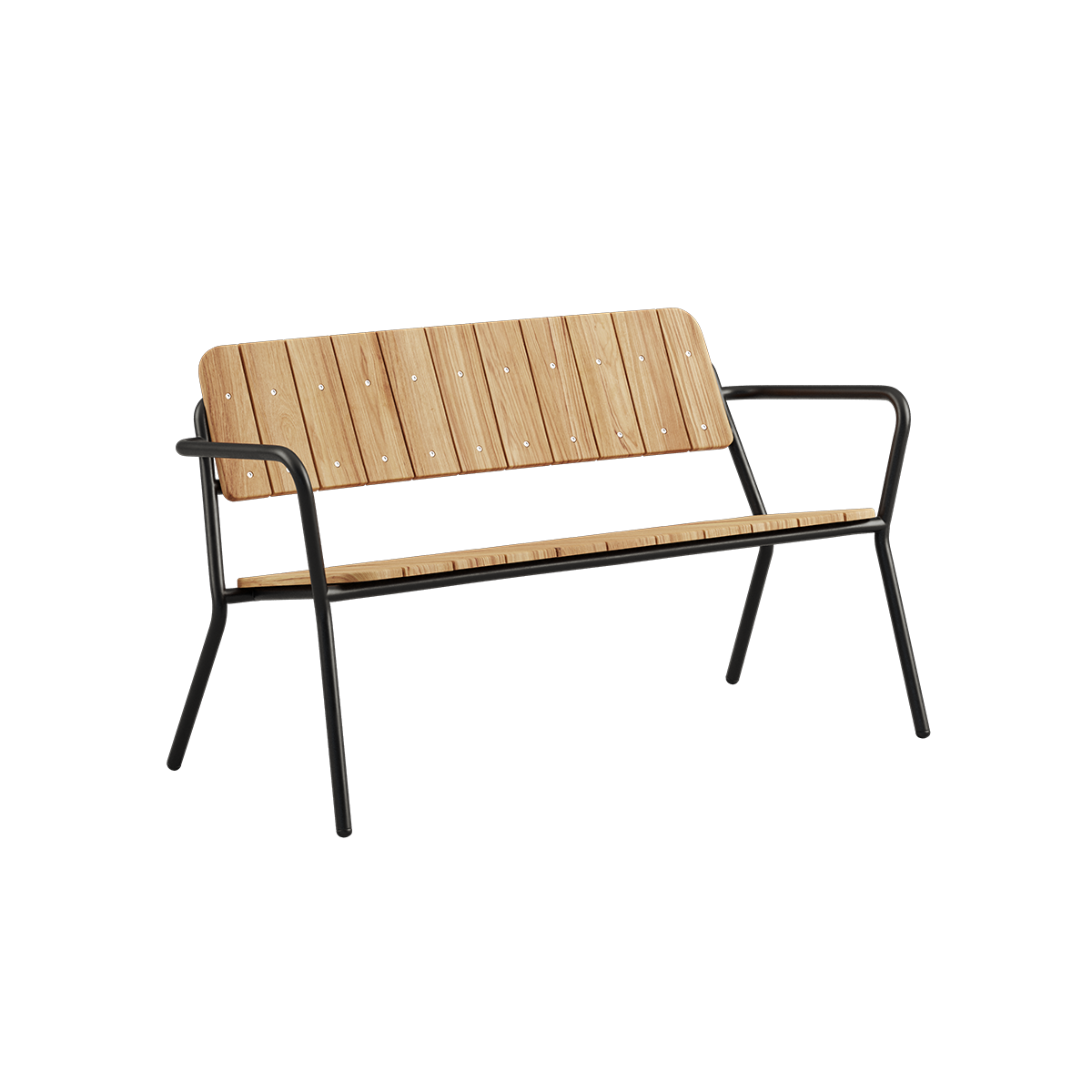
- Slim benches or modular furniture can act as side screening
- Movable lounge chairs make it easy to adapt the setup to different needs
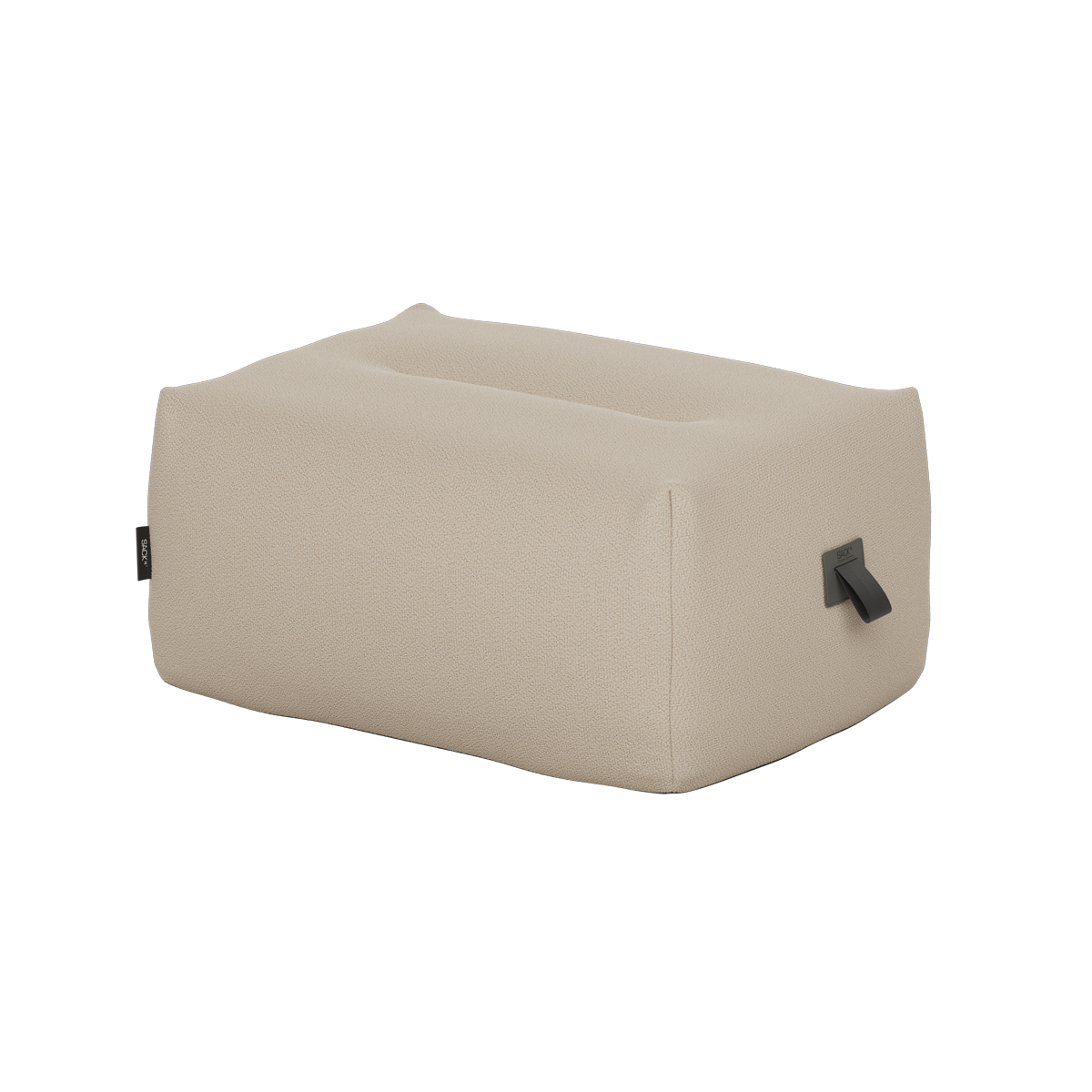
- Storage furniture can be used as both functional pieces and screening elements
Tip: Avoid placing all furniture parallel to railings or walls. A slight angle can reduce wind flow and create more effective shelter.


Plants as natural screening in the garden and on the terrace
Plants are among the most atmospheric ways to create privacy outdoors. They soften exterior spaces, provide visual calm, and can also work as effective wind protection—especially when combined thoughtfully.
Planters and tall plants
Large planters with tall plants are ideal for gardens, terraces, and balconies alike. They can be moved as needed and allow you to adjust the level of screening over time.
Well-suited options include:
- Bamboo and ornamental grasses for light, flexible screening
- Small trees in planters for privacy at height
- Dense shrubs for more substantial screening
Feel free to combine plants at different heights for a more natural look and improved shelter.
Vertical screening on balconies
On balconies, floor space is often limited, making vertical solutions particularly valuable:
- Espaliers with climbing plants
- Narrow planter boxes along the railing
- Green walls that provide screening without closing off the space
These solutions create privacy without compromising light or airflow.
Textiles – soft shelter and flexible privacy
Textiles are particularly well suited if you want screening that can be adapted to weather, time of day, and season. They work well as a complement to both furniture and plants.
Outdoor textiles on the terrace
On terraces, textiles can be used in a more permanent way:
- Outdoor curtains on a pergola or covered area
- Sun and wind sails that reduce wind and visual exposure
- Light, semi-transparent textiles that provide screening without closing off the space
Consider combining outdoor rugs and textiles to support a cohesive look and increase comfort in the lounge area.
Practical solutions for balconies
On balconies, textiles are ideal because they are easy to install and remove:
- Fabric wind screens along the railing
- Small curtains that can be drawn as needed
- Textiles in calm, muted colours that blend naturally into the surroundings
Material tip: Choose UV-resistant and water-repellent textiles so they stay attractive over time and require minimal maintenance.


When furniture, plants, and textiles work together
The most effective screening often emerges from the interaction of several elements. Rather than relying on a single, heavy solution, you can work with layers that together create shelter and privacy.
Example: A terrace with multiple zones
- A lounge sofa positioned against the prevailing wind
- Planters with tall plants facing neighbouring views
- Light textiles that can be adjusted as needed
The result is an outdoor space that feels sheltered while remaining open and flexible.
This approach works just as well in the garden as on the terrace and can be adapted on a smaller scale for balconies.
Denne tilgang fungerer lige så godt i haven som på terrassen og kan tilpasses i mindre skala på altanen.
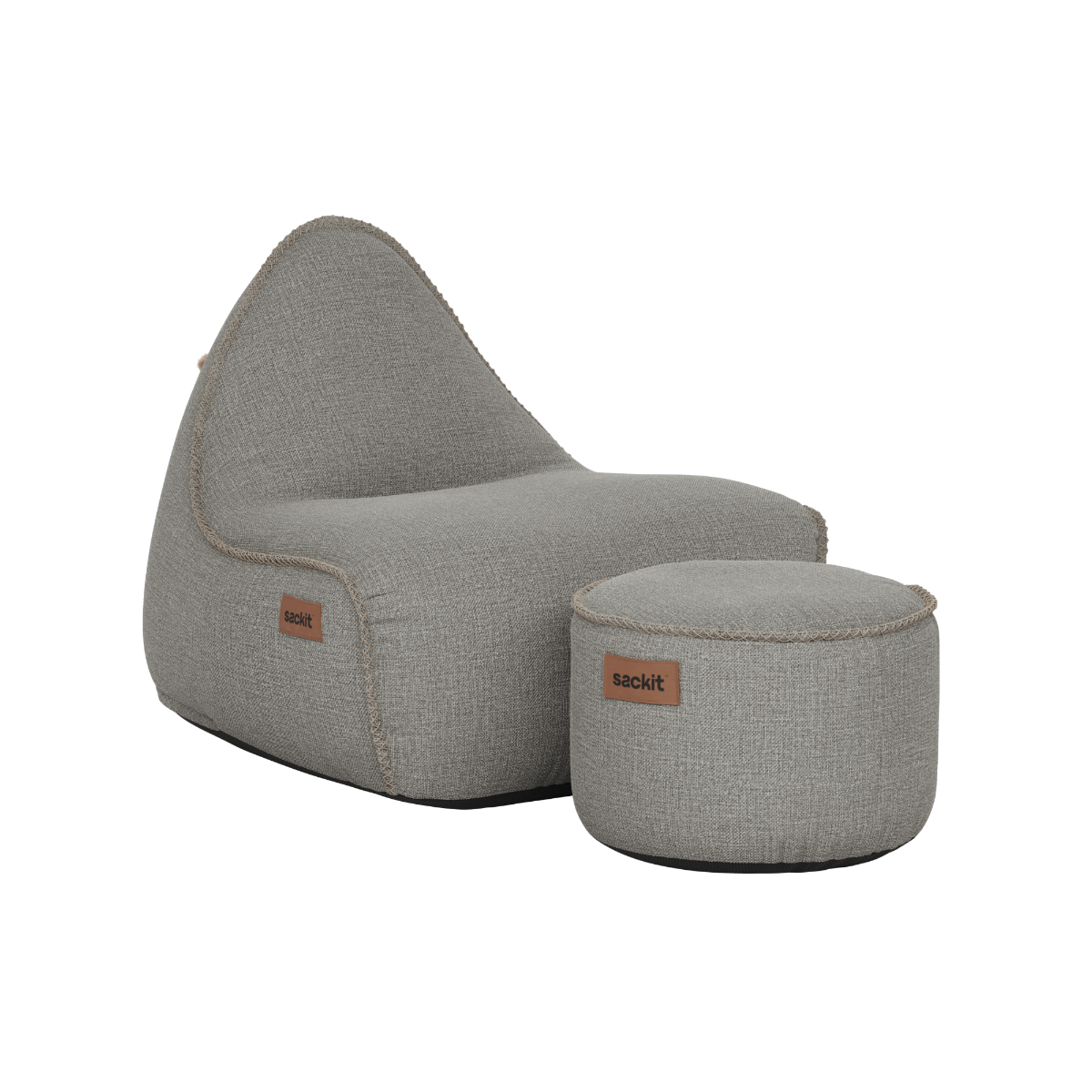
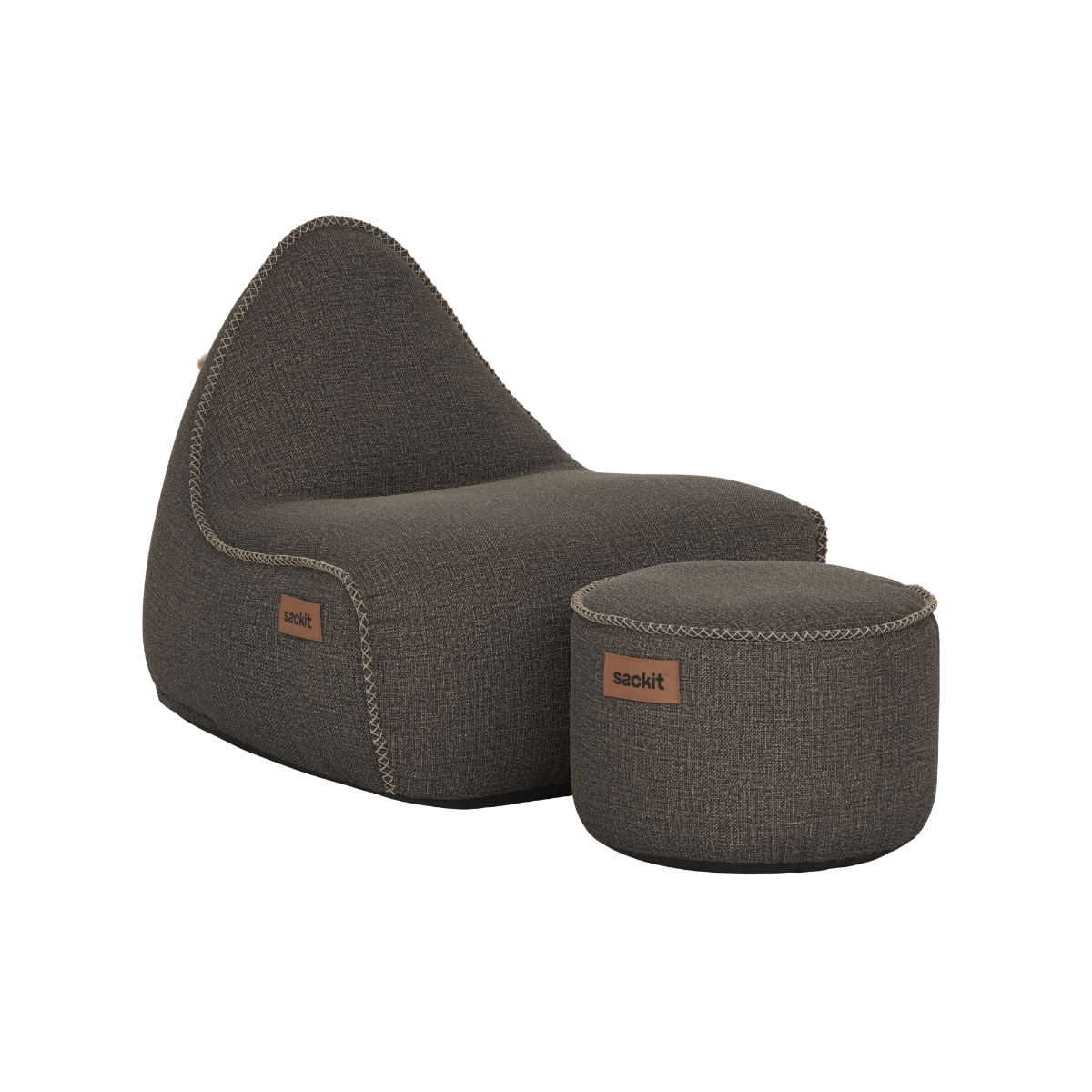
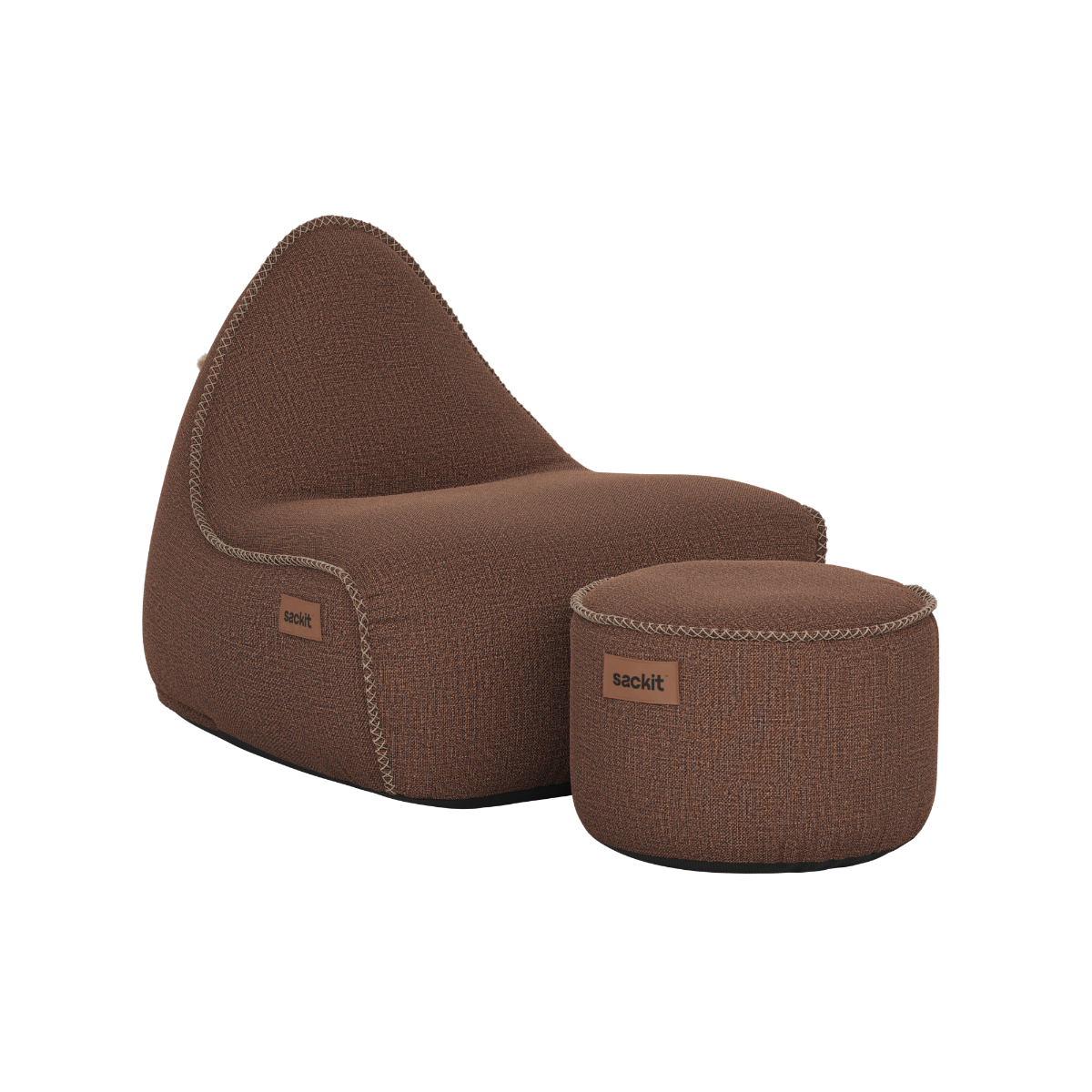
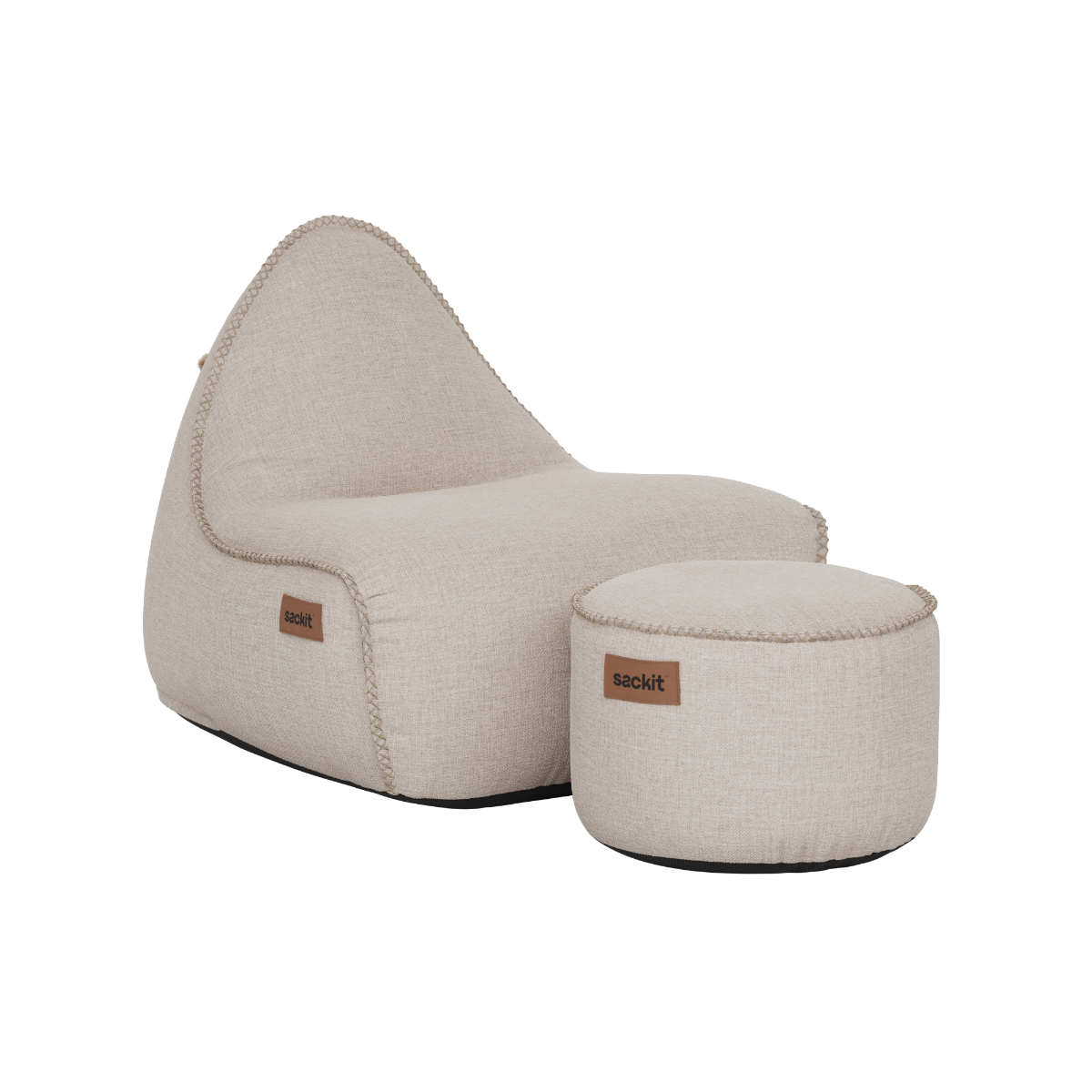
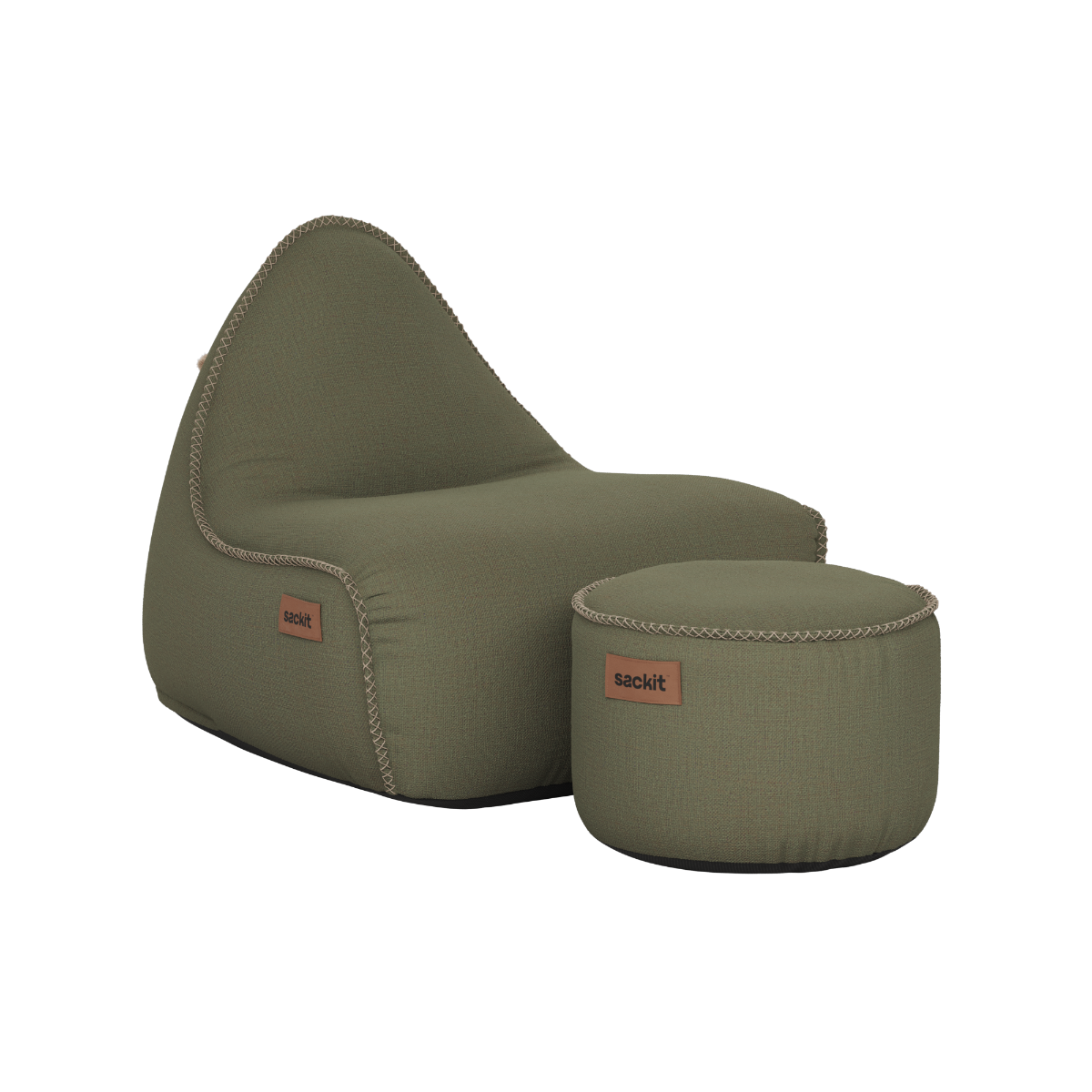
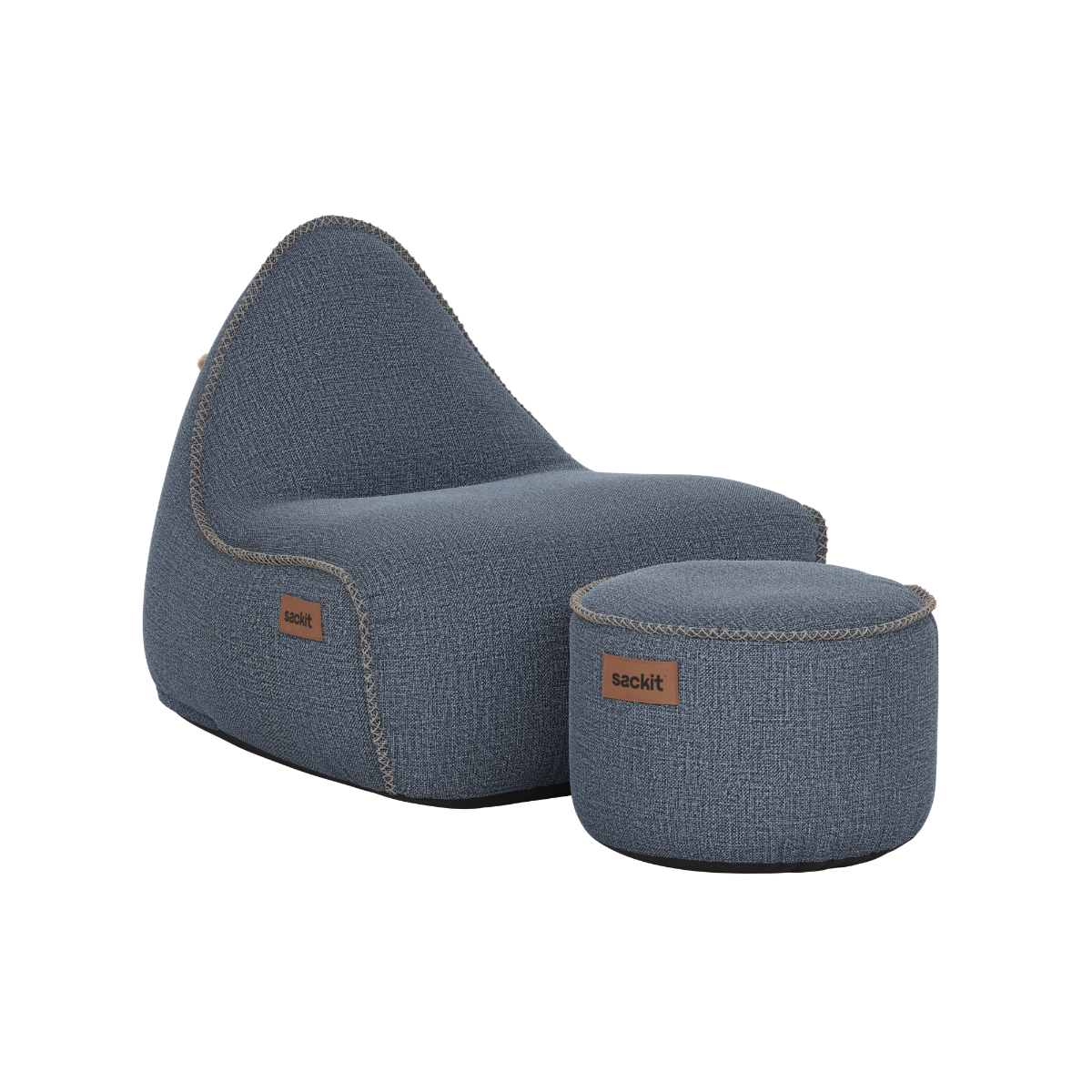
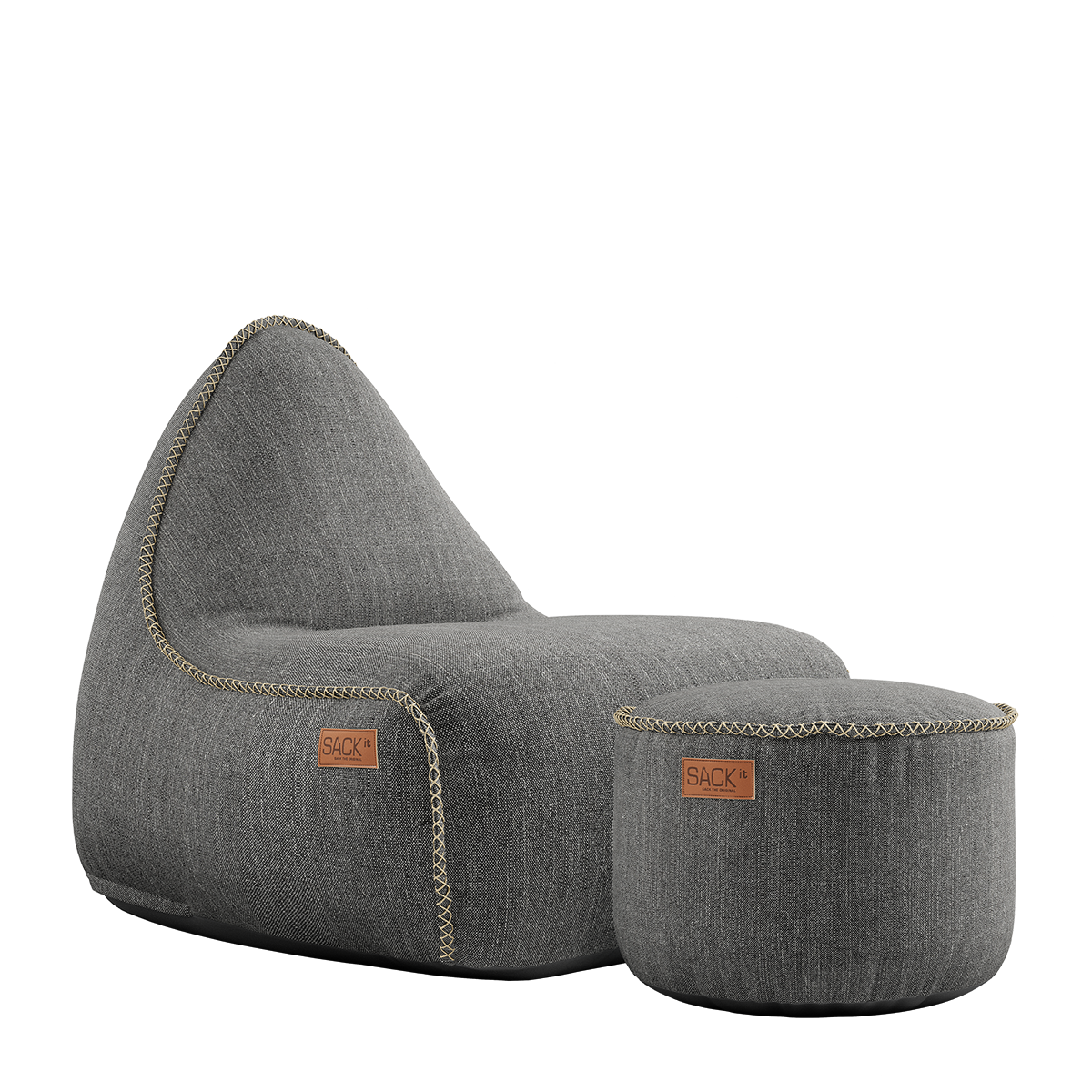
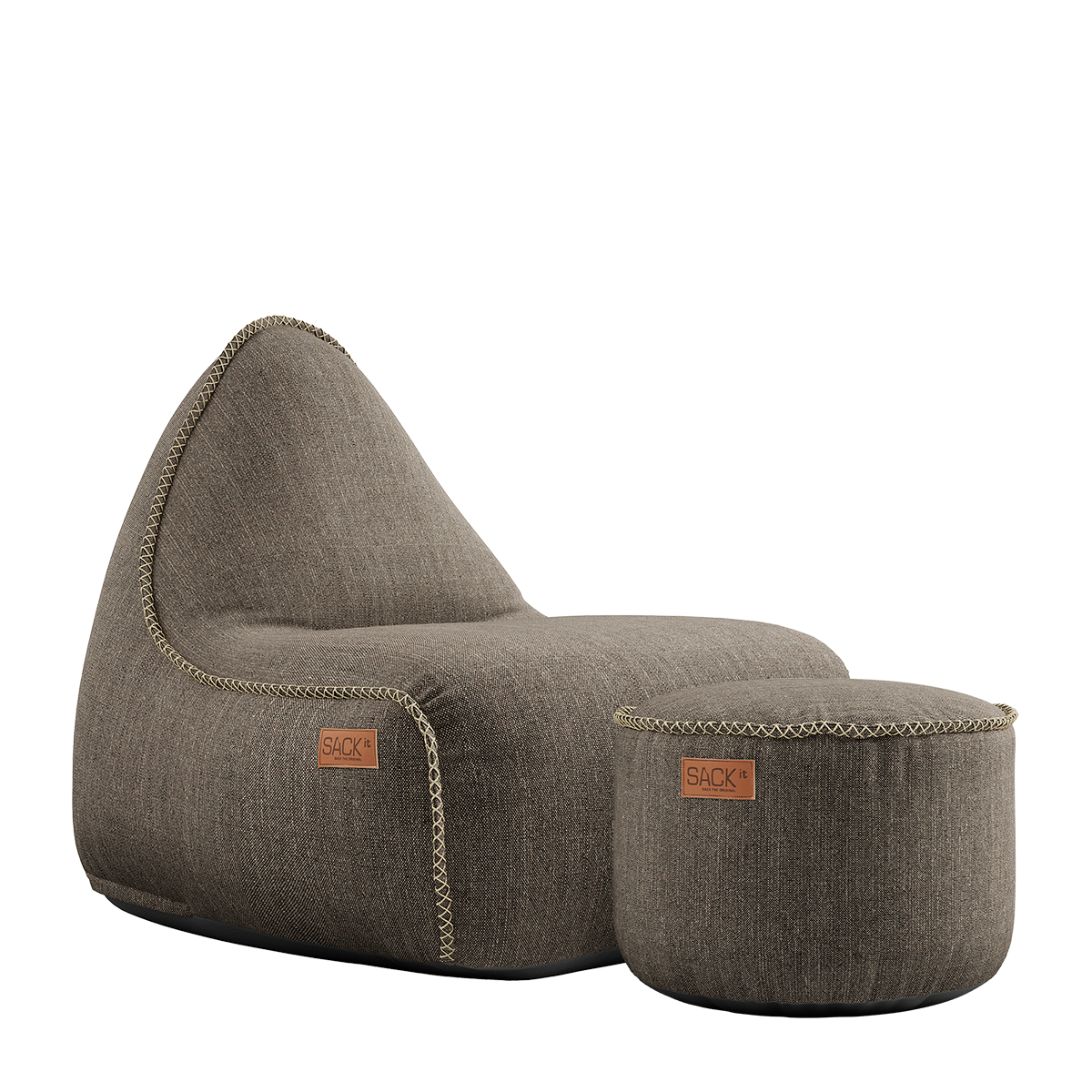
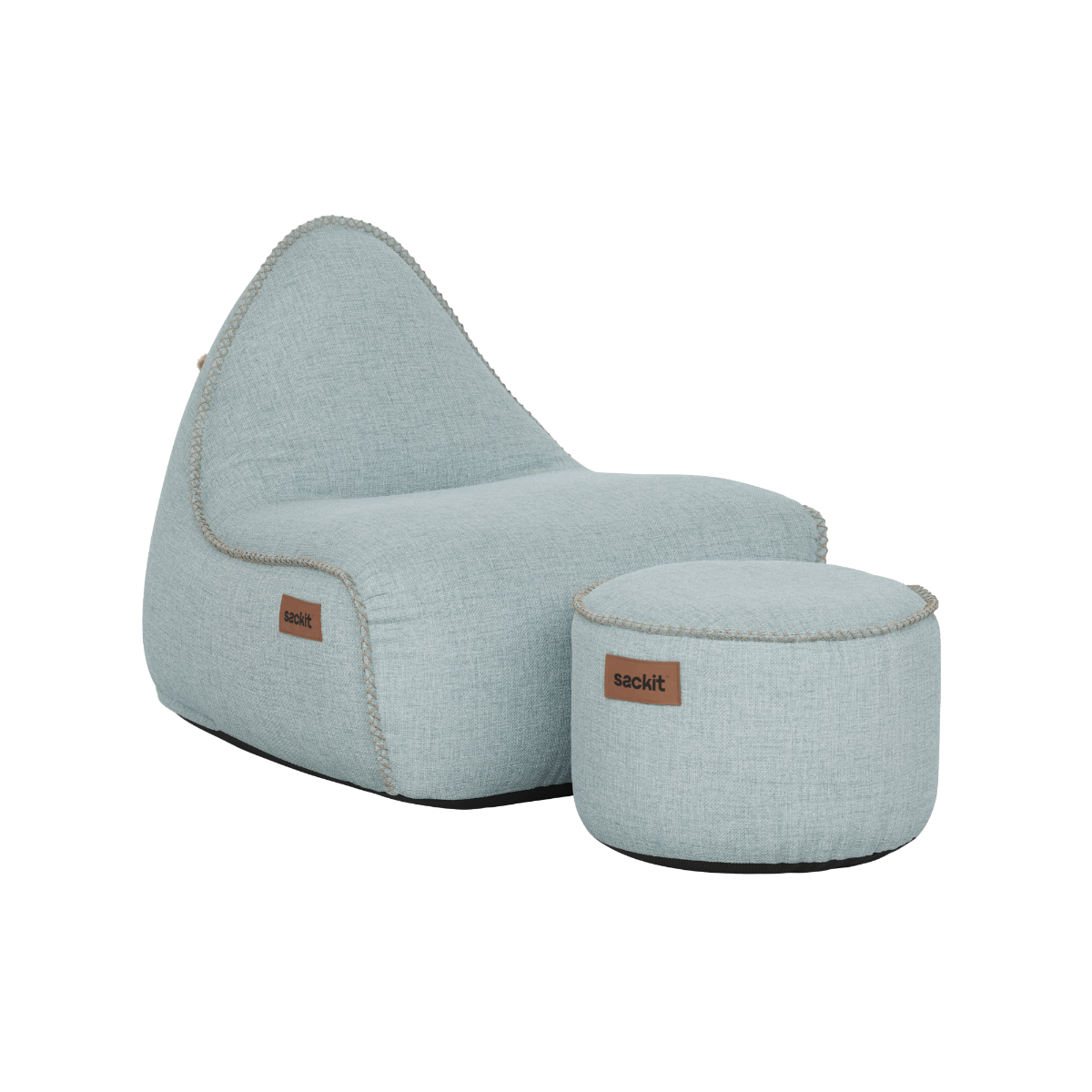
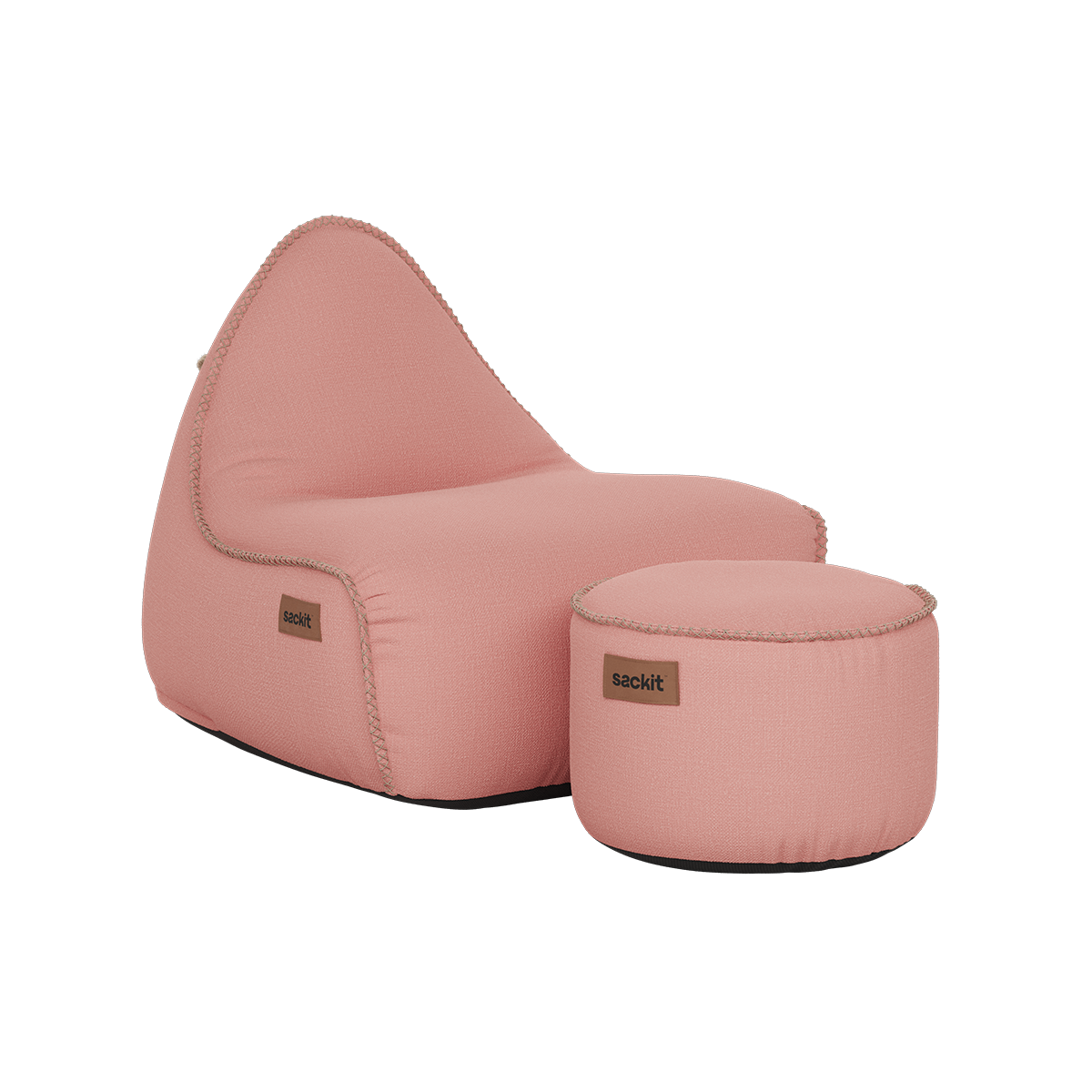
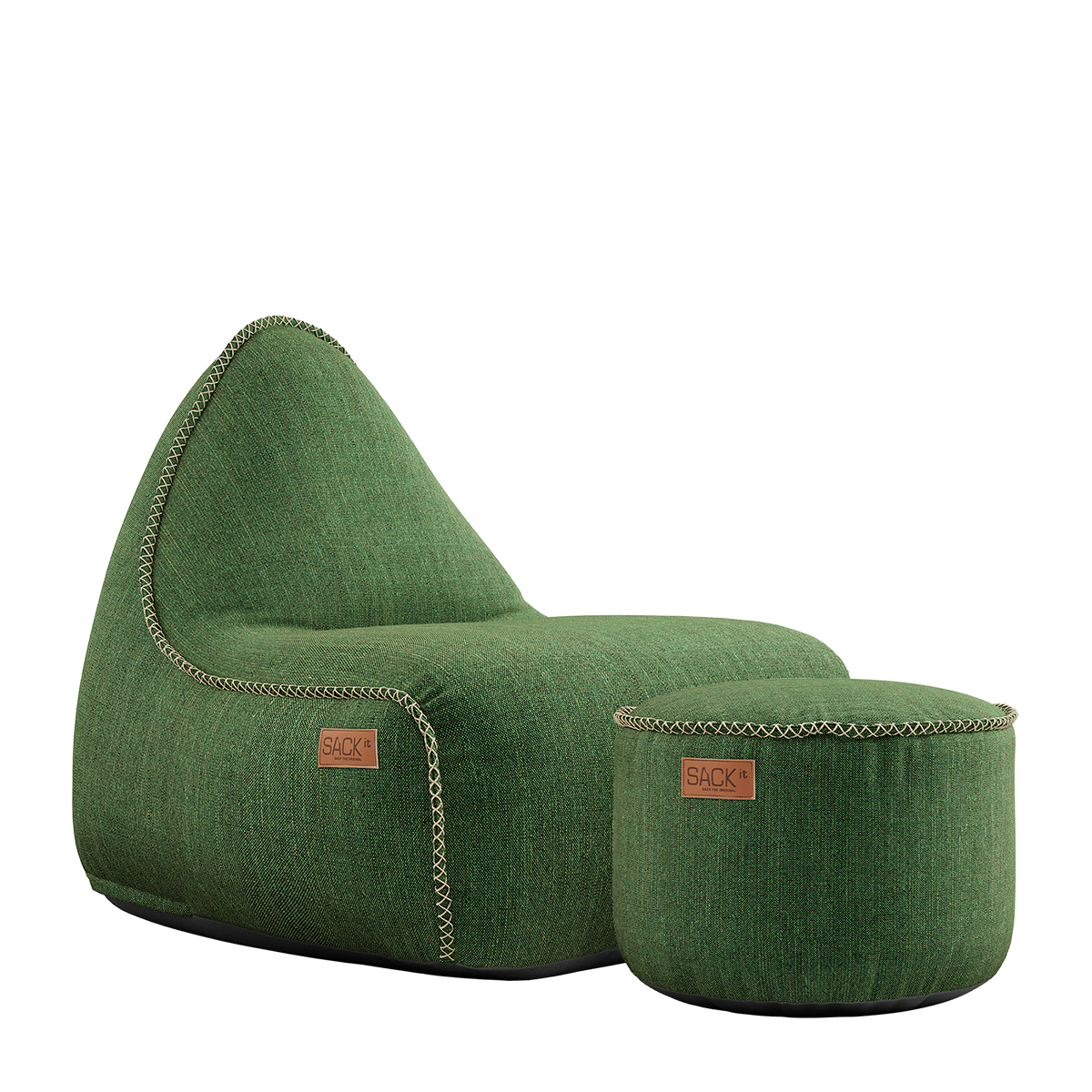
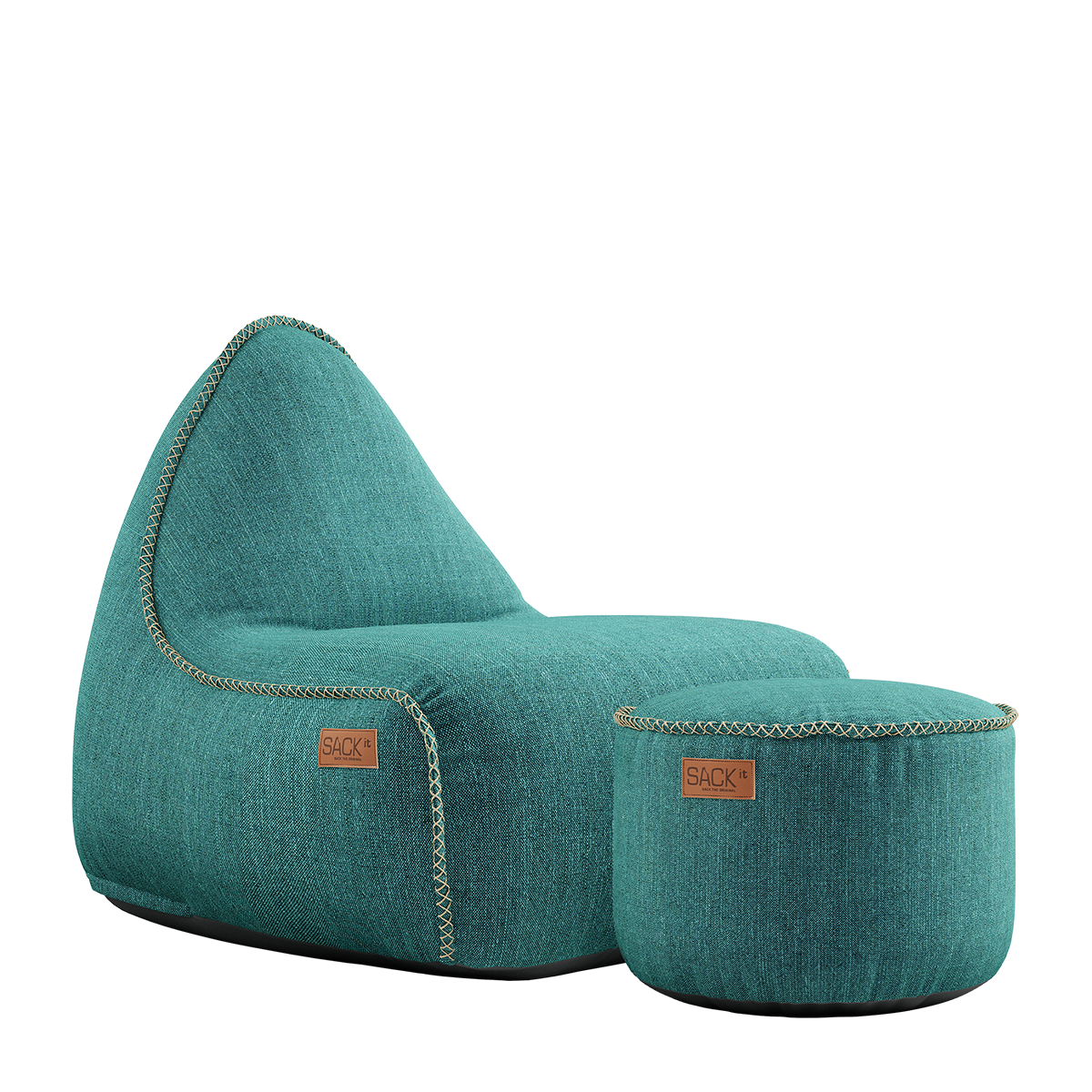
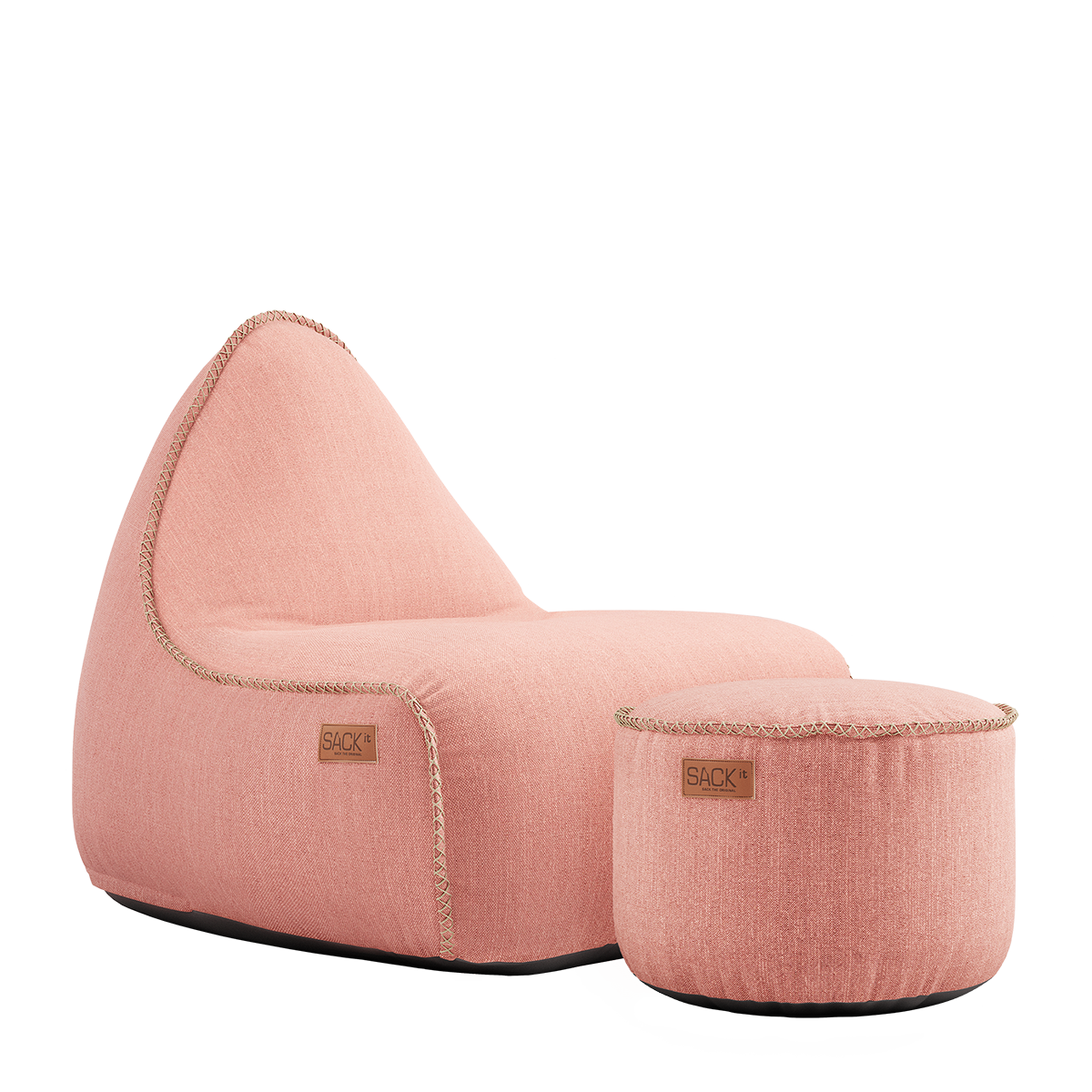
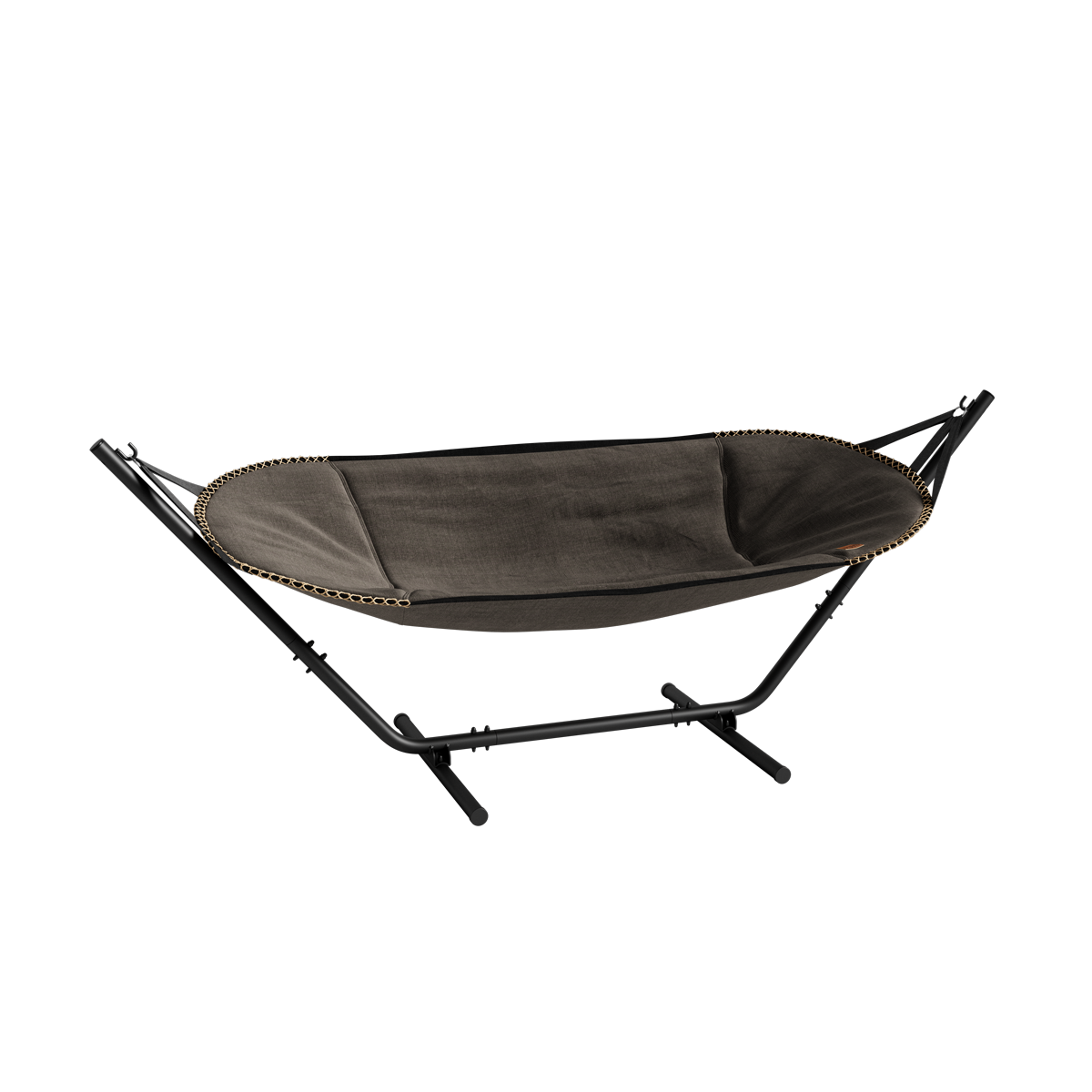
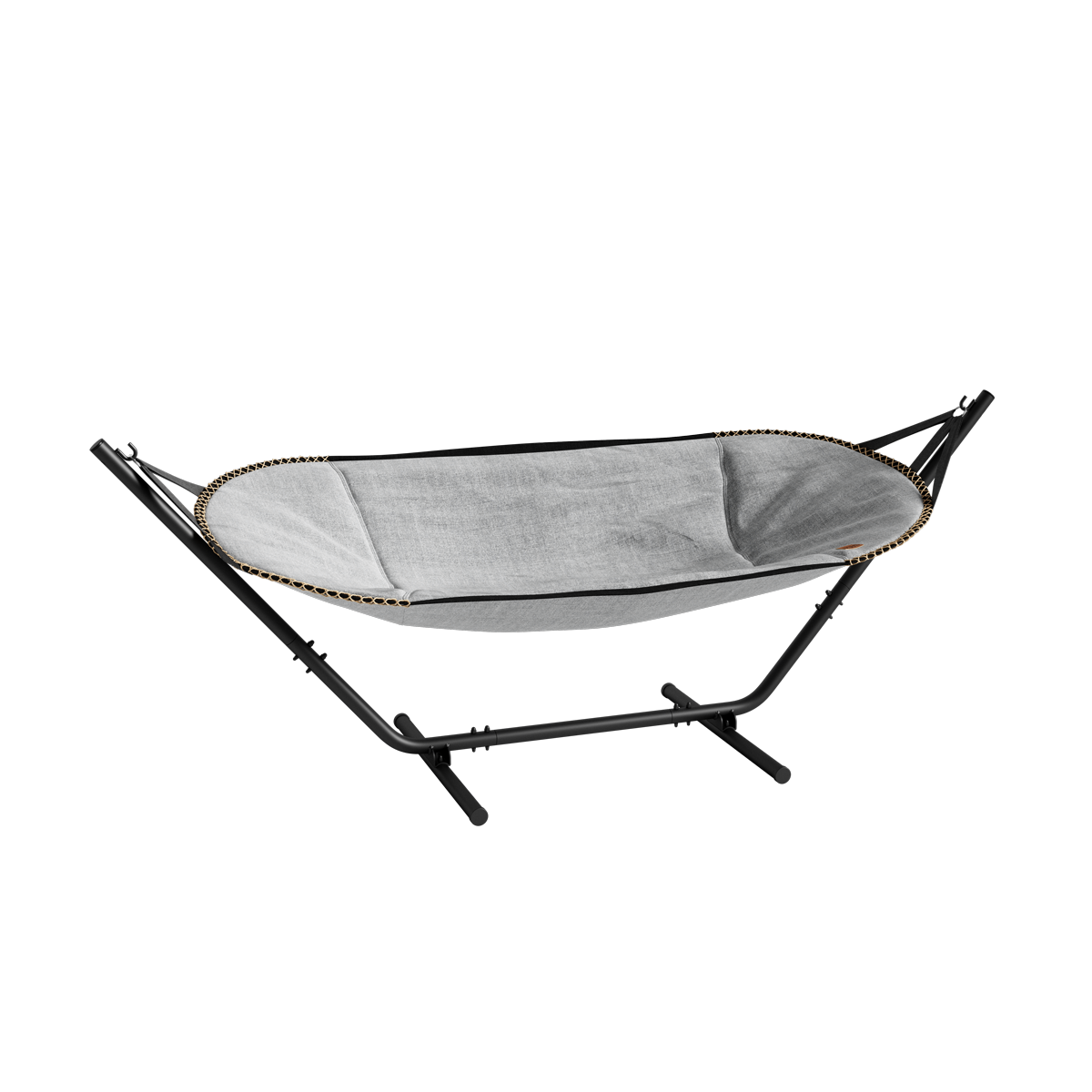
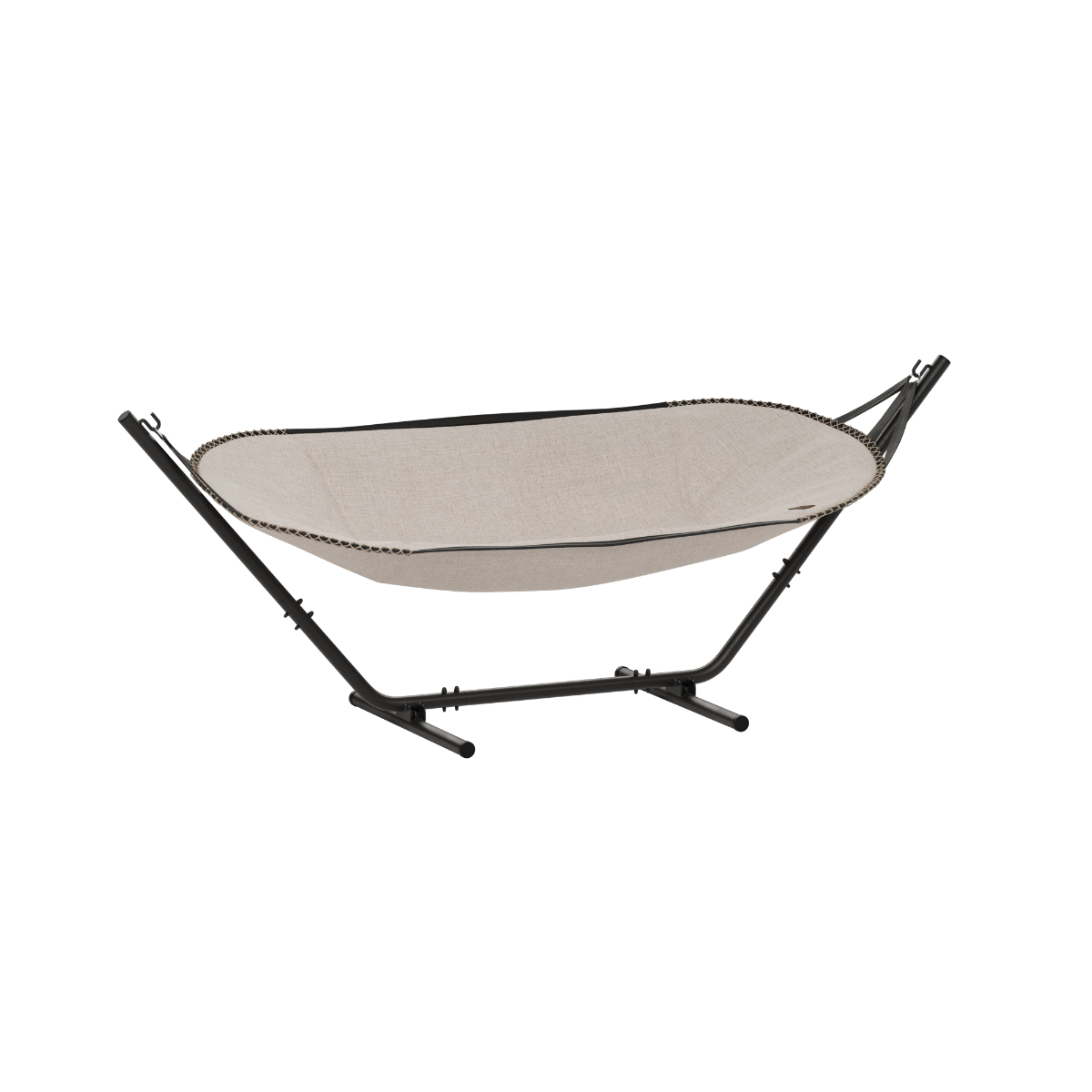
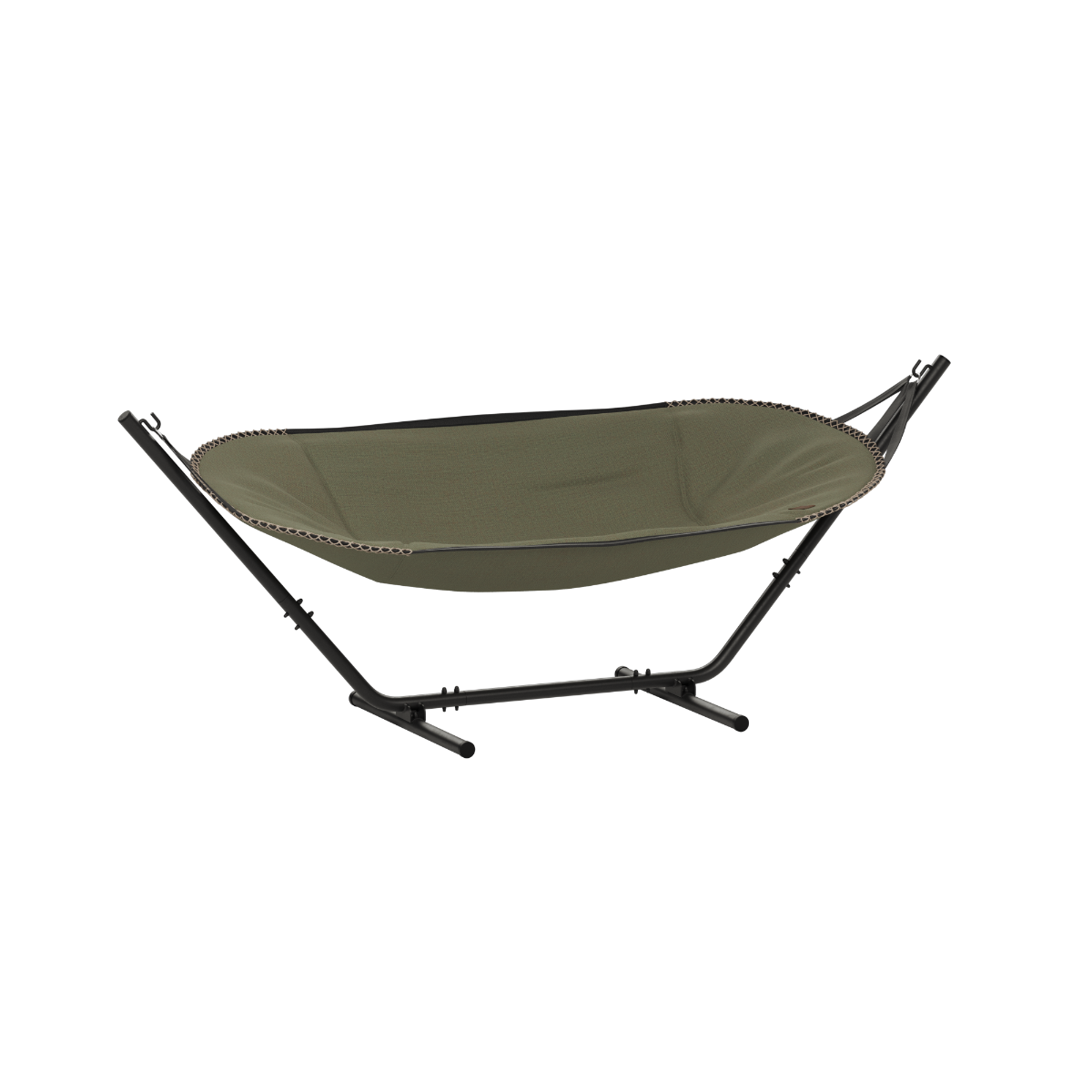
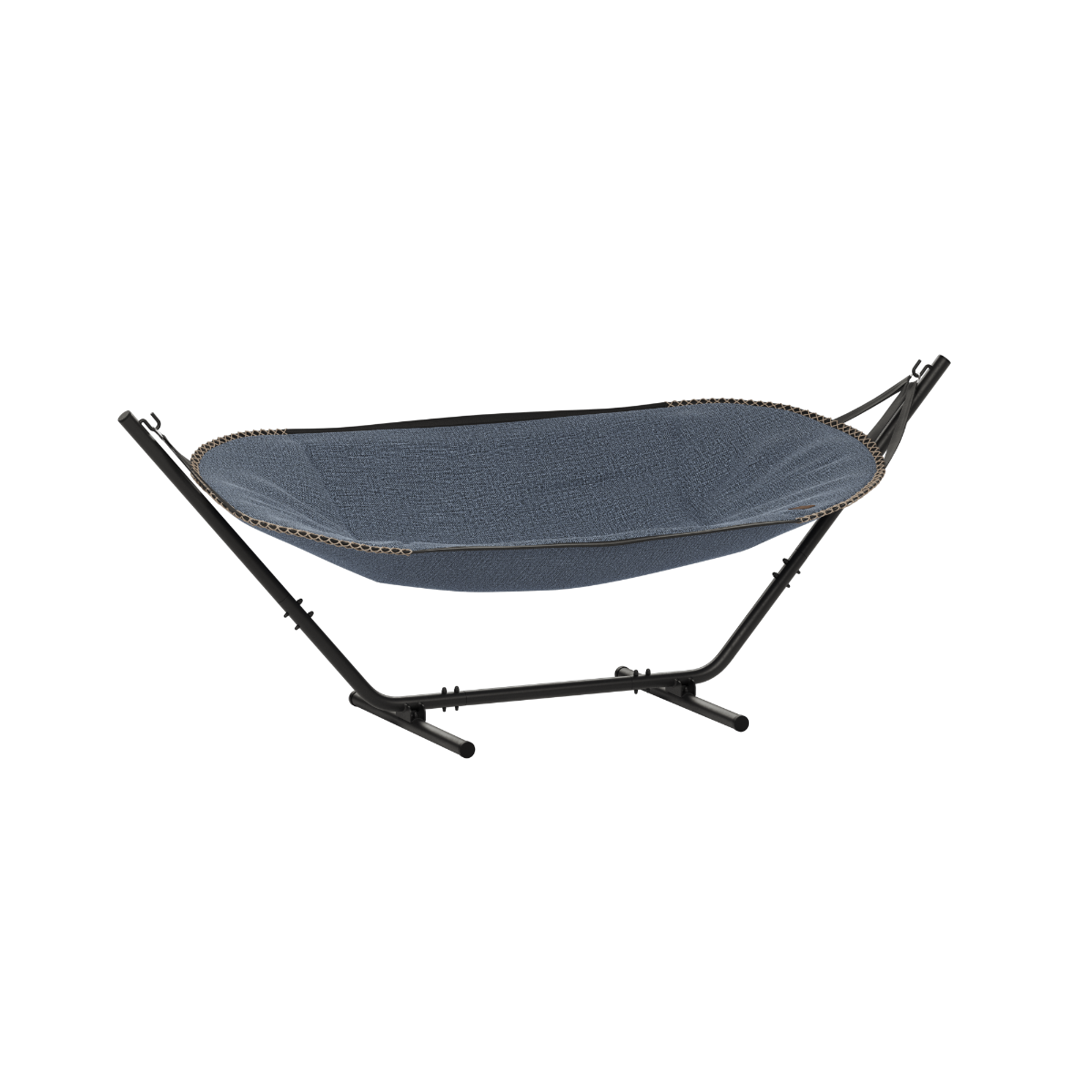
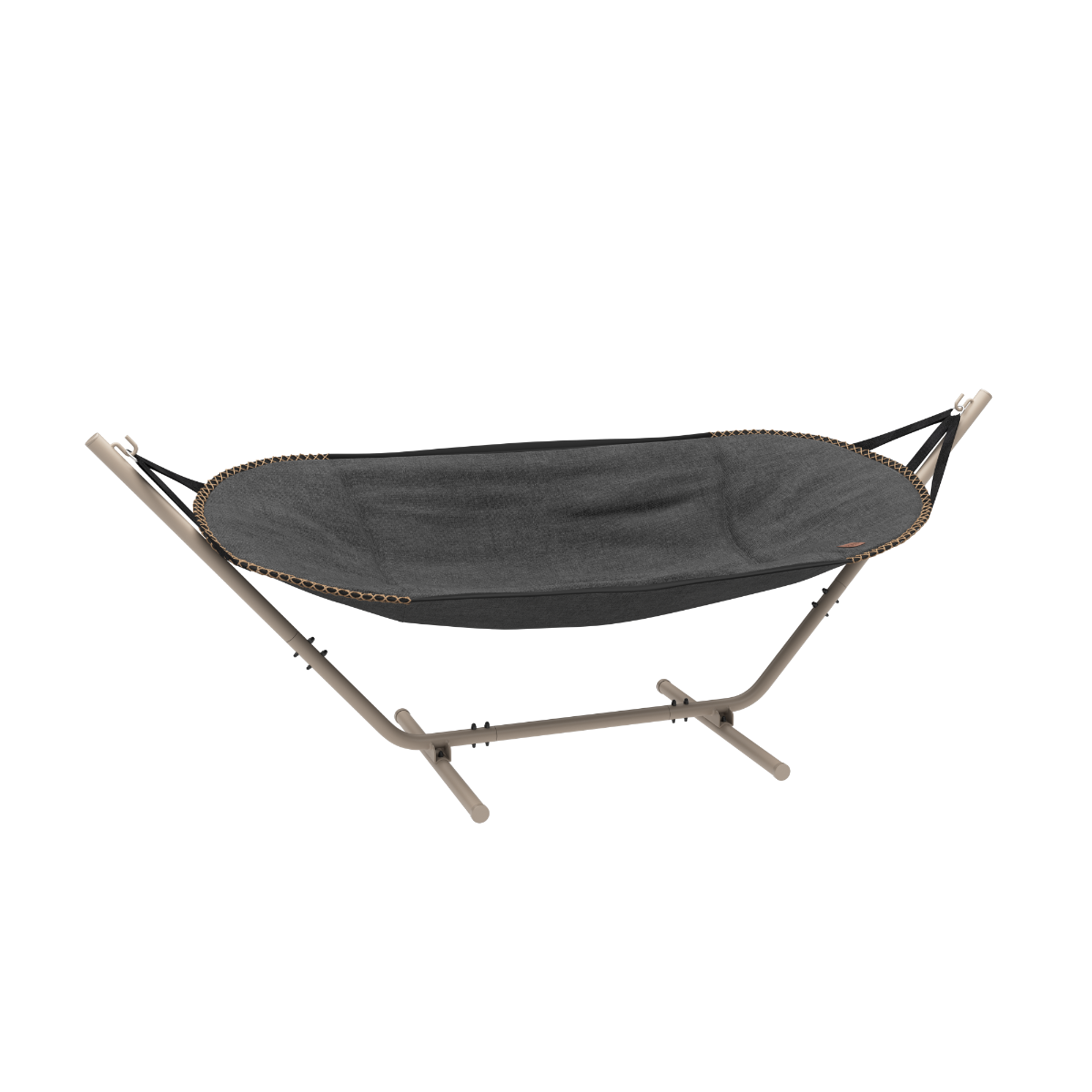
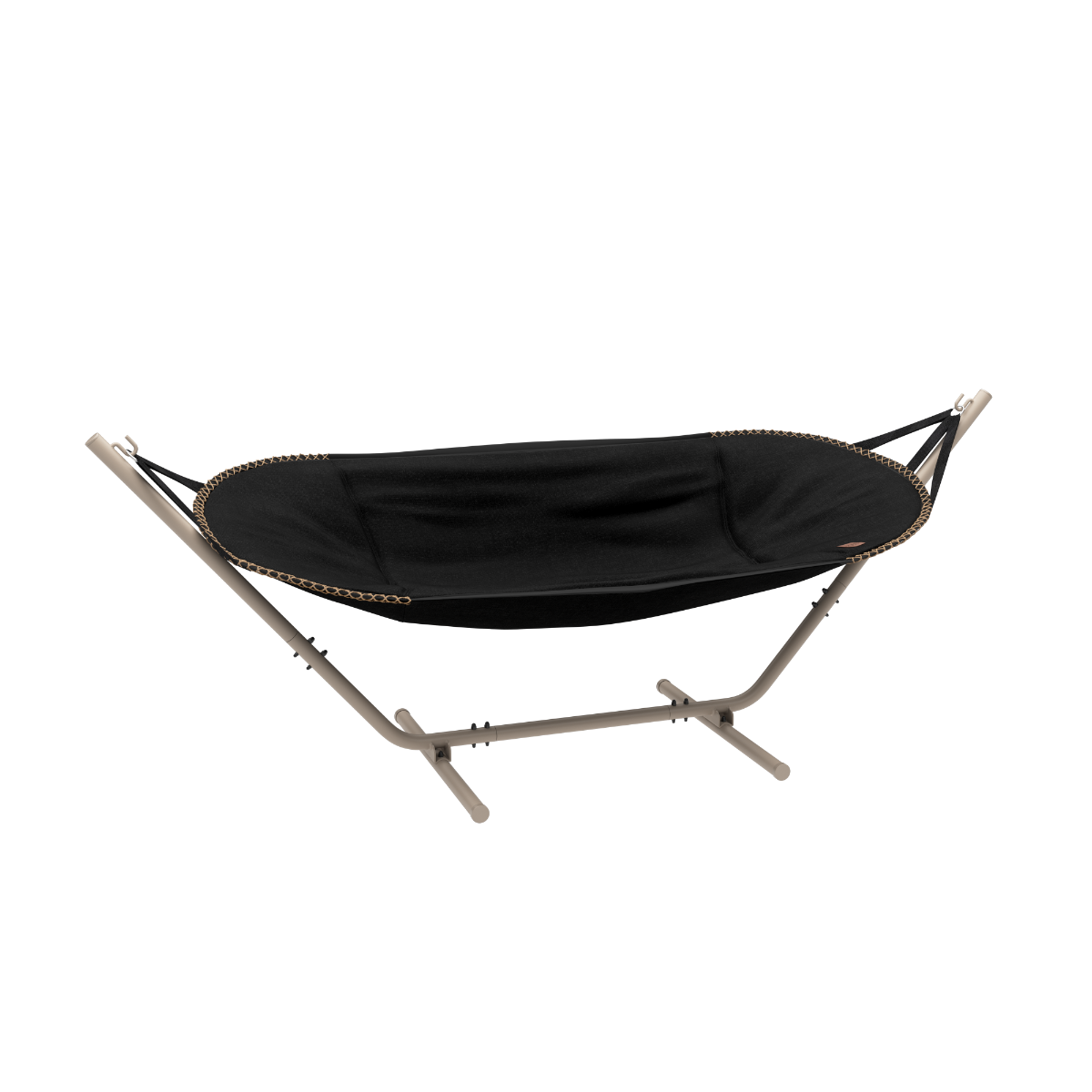
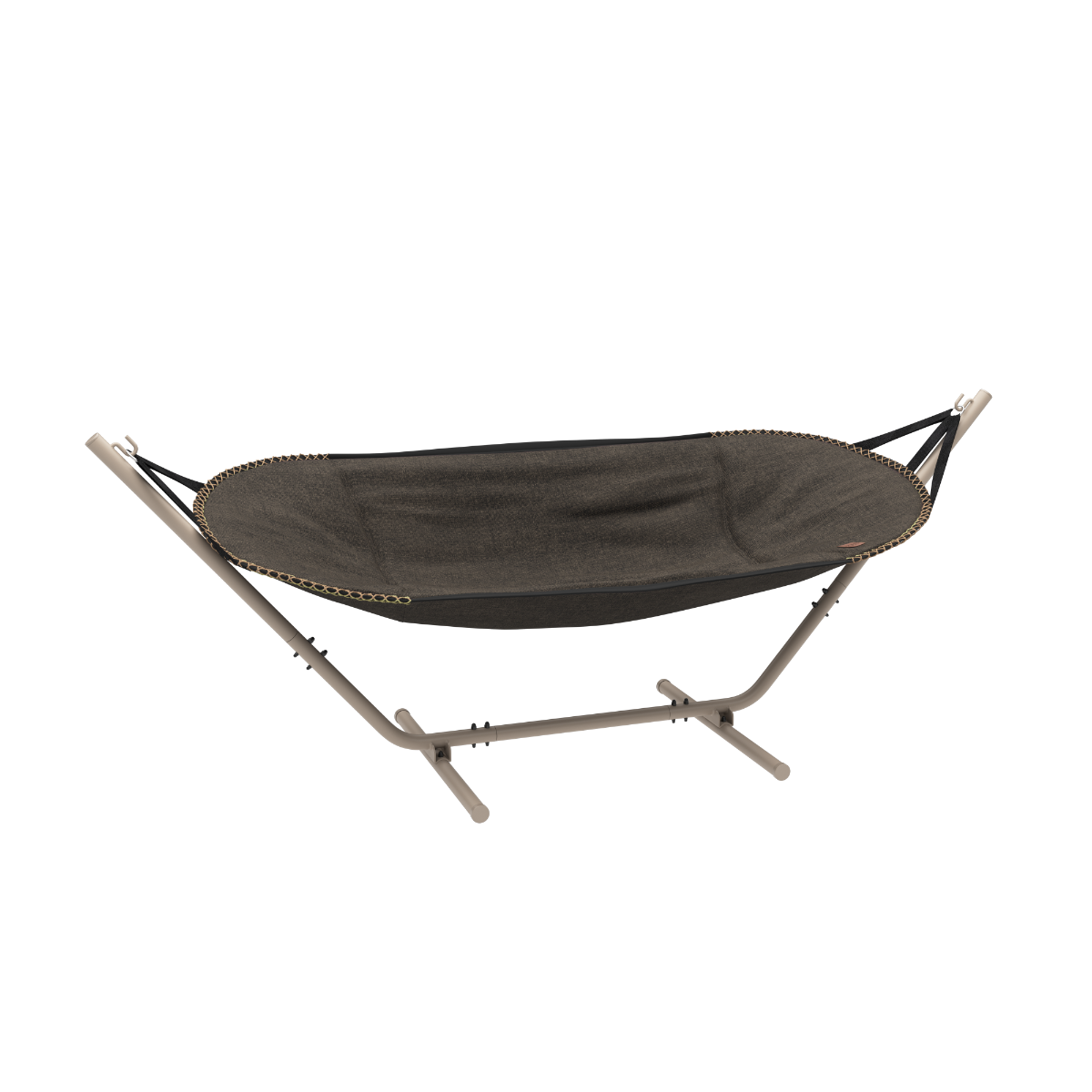
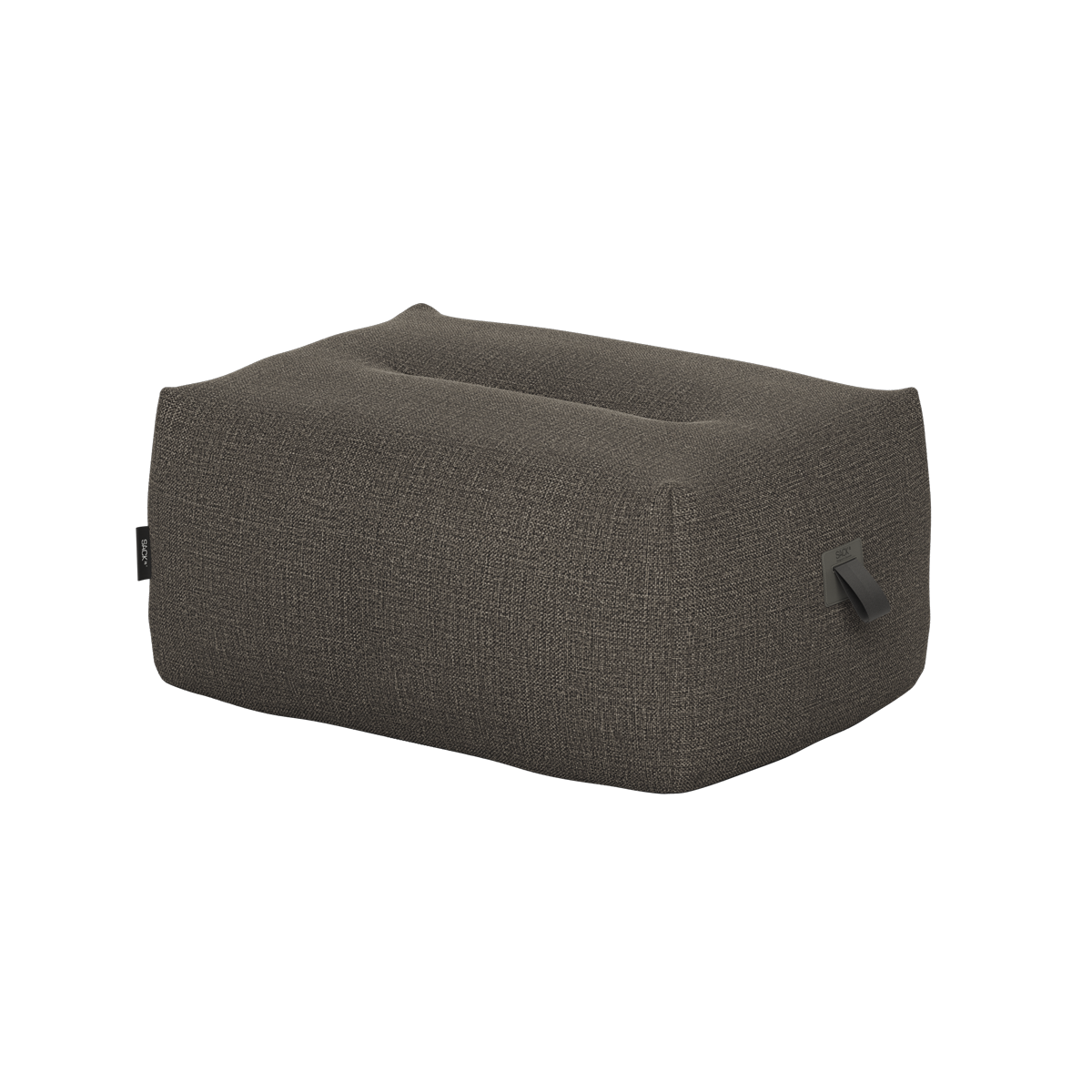
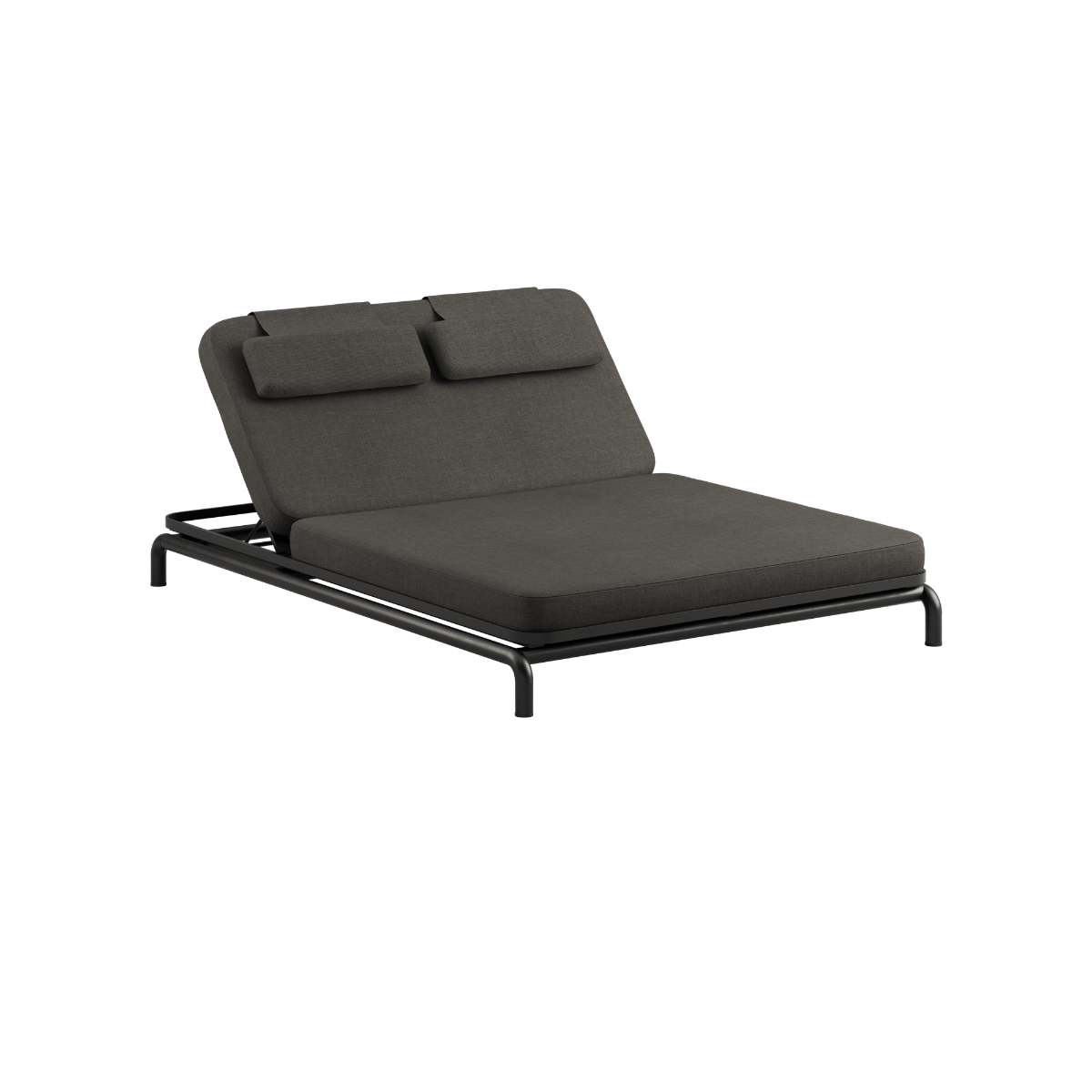
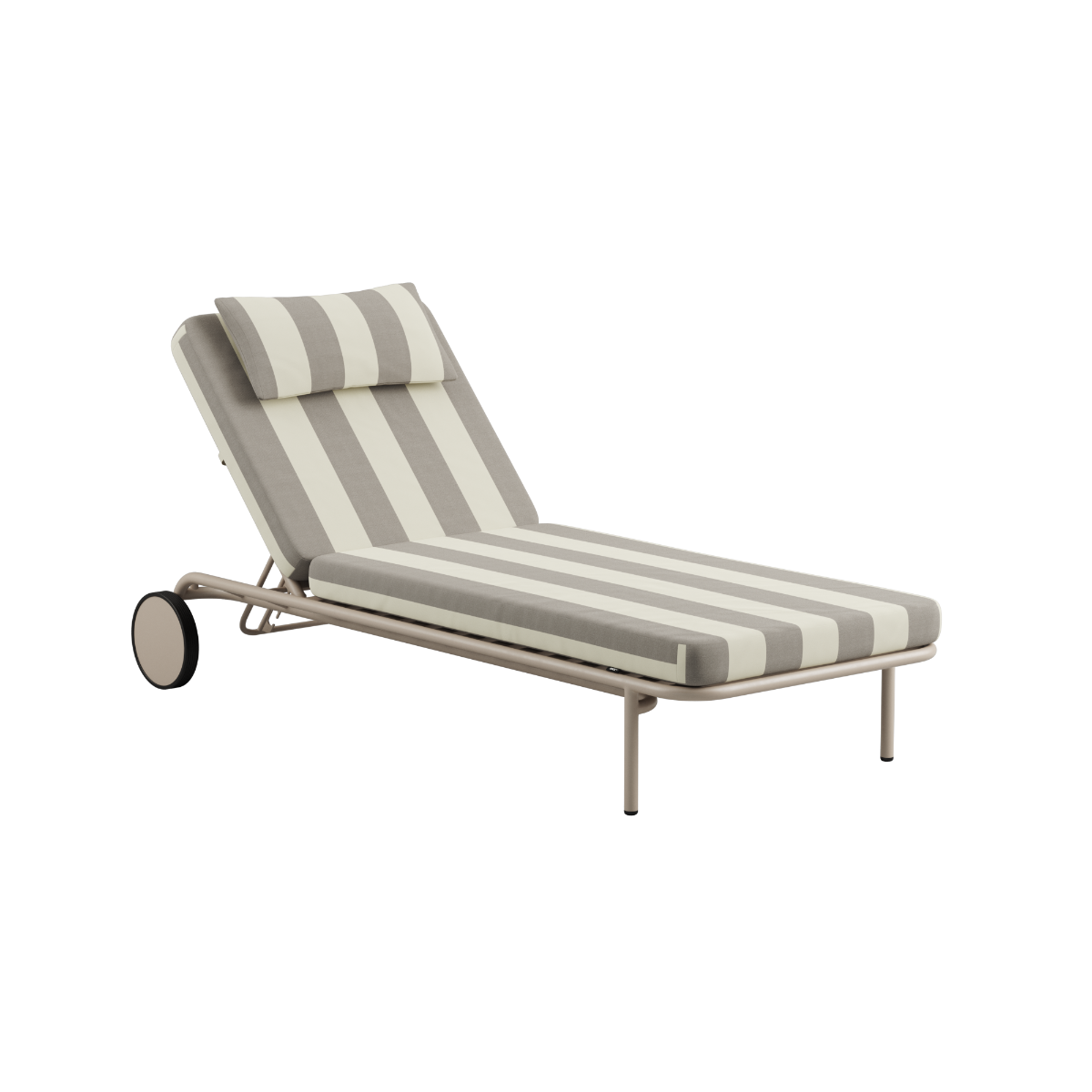
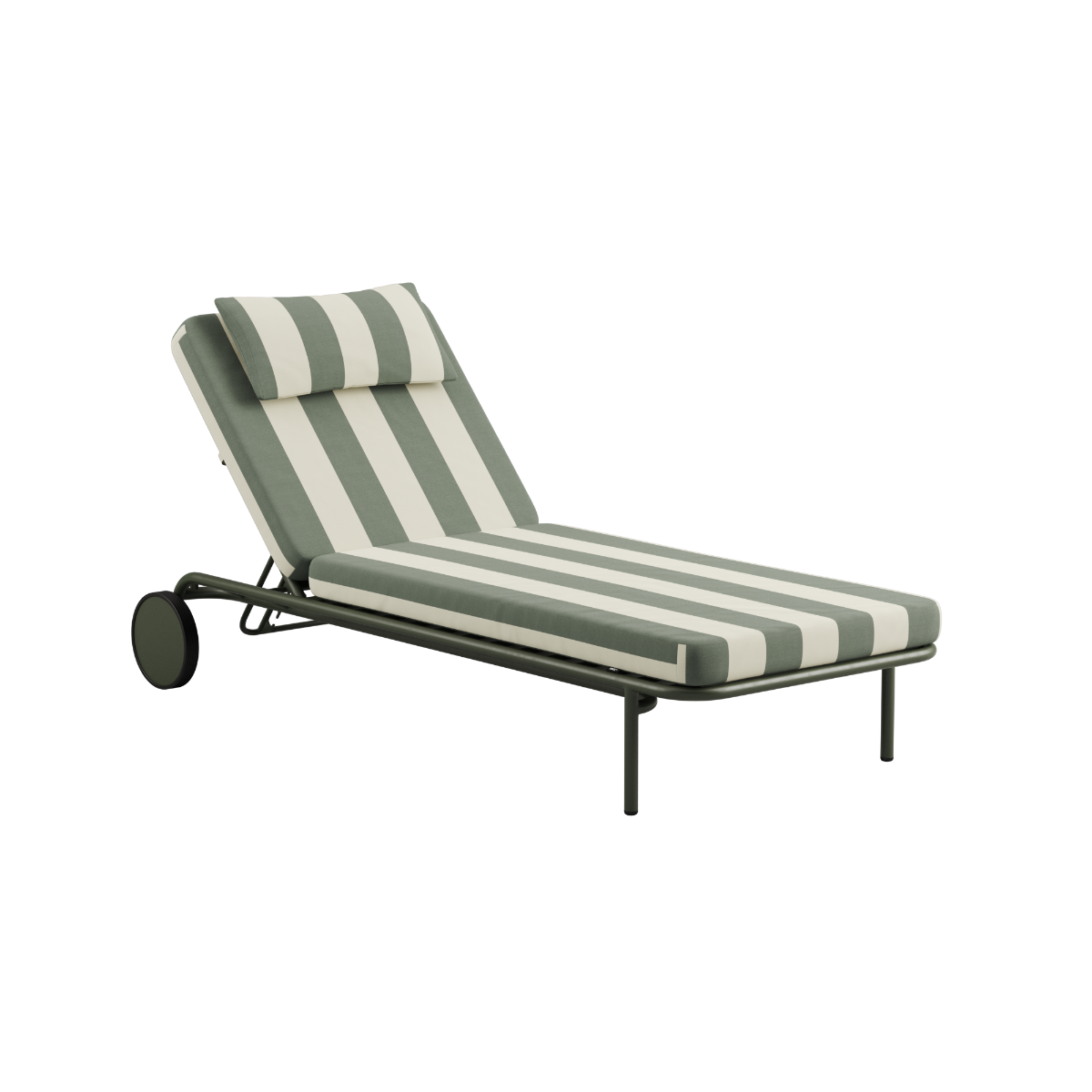
Explore Danish-designed outdoor furniture from sackit
Discover the range of outdoor furniture at sackit.dk. We offer 30-day return policy.


















FAQ – frequently asked questions about shelter and privacy
How can I create privacy without permanent fencing?
By combining furniture, plants, and textiles, you can achieve effective screening without permanent solutions.
What provides the best shelter on a windy terrace?
Furniture with high backs combined with planters and textiles offers the most stable wind protection.
Can screening still feel light and open?
Yes. Work with variation in height, lightweight materials, and semi-transparent textiles to maintain airflow and light.