
Lightning for a cozy home
How to Use Lamps to Create a Cozy Home
Cozy Lightning
Cozy lighting isn’tabout one specific lamp or a single style. It’sabout how light is used in everyday life – in the evening, during quiet moments, and in the transitions between activity and rest. The most inviting homes are rarely the brightest ones, but those where lighting has been thoughtfully planned and consciously used.


In short:
- Cozy lighting is created through multiple light sources rather than a single strong overhead light
- Warm light and the ability to dim make a noticeable difference
- Lamps should be chosen based on use and placement – not just appearance
Whether you’re working with designer wall lamps, indoor LED lighting, or pendant lights for the kitchen, it’s the interaction between them that creates a cohesive whole. In this guide, we take a closer look at how to use lighting intentionally – room by room – and what to consider before making your choices.
Layered lighting – the foundation of a cozy home
A cozy home is almost always built around layered lighting. This means using light from different directions and at different heights to give a space depth, balance, and a sense of calm.
Lighting is often divided into three functional layers:
- General lighting: The overall light that makes a room usable, such as ceiling lamps or discreet LED solutions.
- Task lighting: Focused light for specific activities like reading, working, or cooking.
- Ambient lighting: Soft, indirect light that makes a space feel comfortable and inviting – especially in the evening.
Ambient lighting is often what’s missing in many homes. Designer wall lamps are one of the most effective ways to introduce it. When light hits the wall and reflects gently into the room, it creates a calm, even glow rather than harsh shadows.
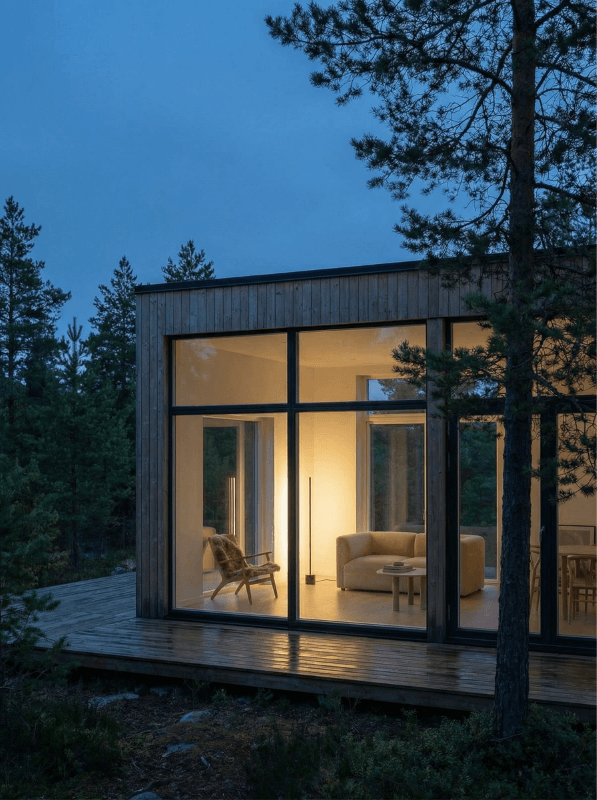
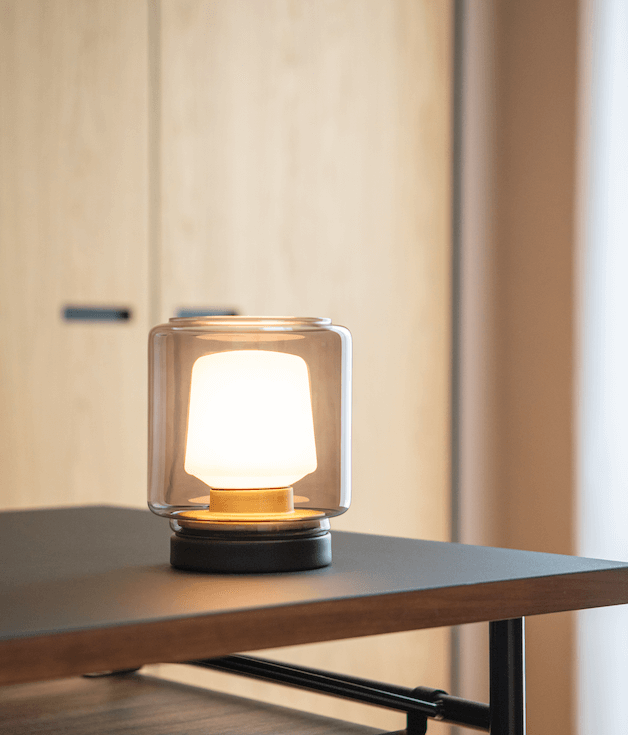
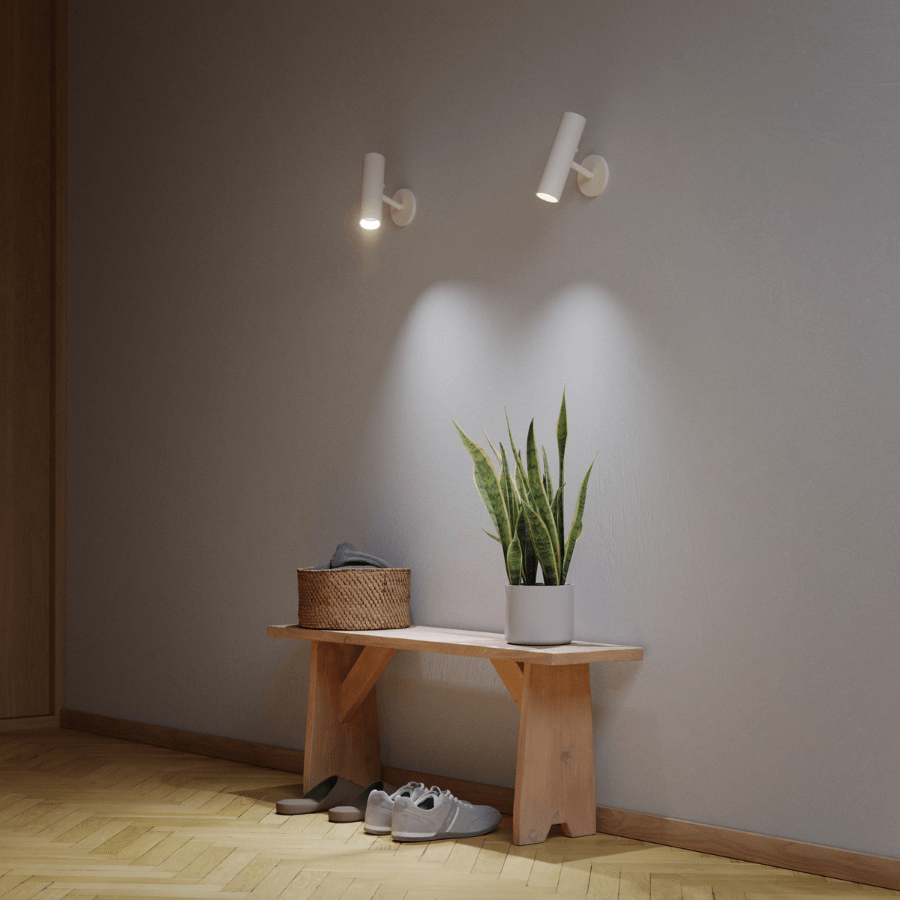
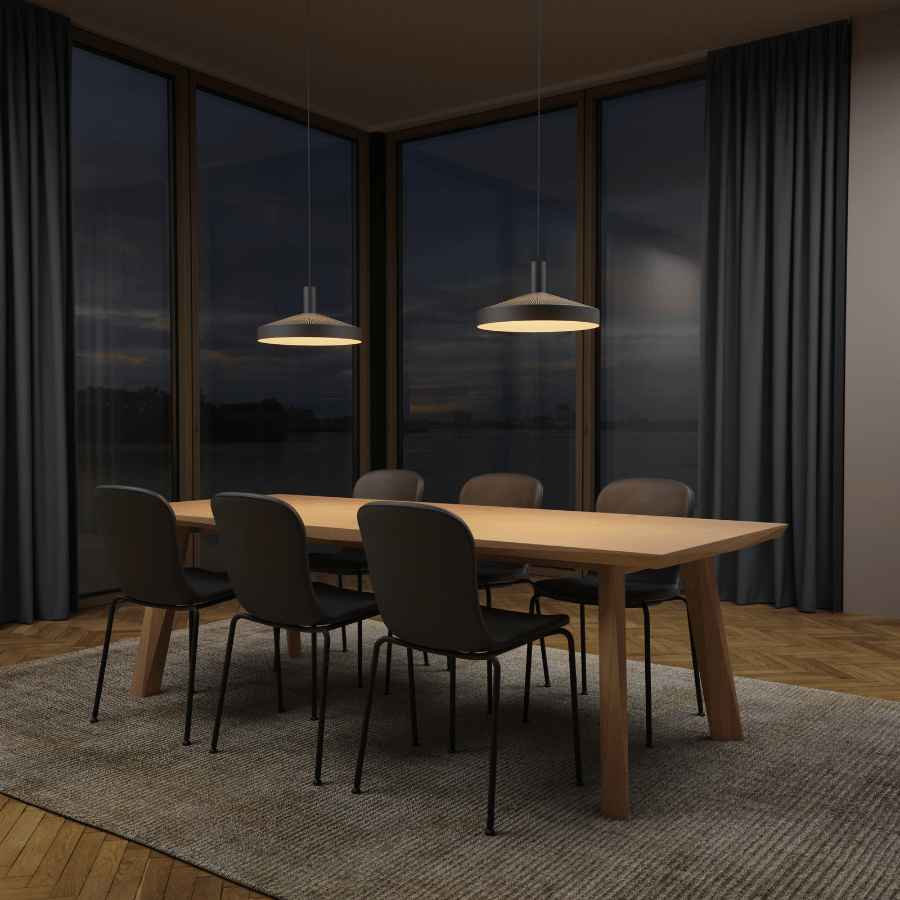
In the living room, wall lamps can:
- replace or complement floor lamps
- create a cozy atmosphere around the sofa
- add character without taking up floor space
Choose wall lamps with warm light and soft diffusion. Combine them with small table lamps and, where possible, dimmable indoor LED lighting so the atmosphere can be adjusted to suit both time of day and mood.
If you’d like visual inspiration for lamps that work particularly well with soft, indirect light, exploring different solutions together can provide a helpful overview:
Explore the selection here

Pendant lights in the kitchen – balancing function and atmosphere
The kitchen is one of the most frequently used rooms in the home – and also one where lighting often becomes purely functional. With the right pendant lights for the kitchen, it’s possible to combine practicality with warmth and atmosphere.
Pendant lights above a kitchen counter or island provide focused light that makes cooking easier, while also defining zones within the space. Once the day’s work is done, they help the kitchen feel more inviting and suitable for gathering.
When choosing pendant lights for a counter or island, a few practical considerations are worth keeping in mind:
- Height: Pendants hung too low can cause glare, while those placed too high lose their effect. A distance of around 60–70 cm above the surface is usually ideal.
- Light direction: Downward-facing light works best for work surfaces.
- Design: Simple shapes and calm materials tend to feel timeless and easy to live with over time.
Many people choose to combine pendant lights with discreet indoor LED lighting in the ceiling or under cabinets. This makes it easy to increase light levels when working and soften them again for more relaxed moments.
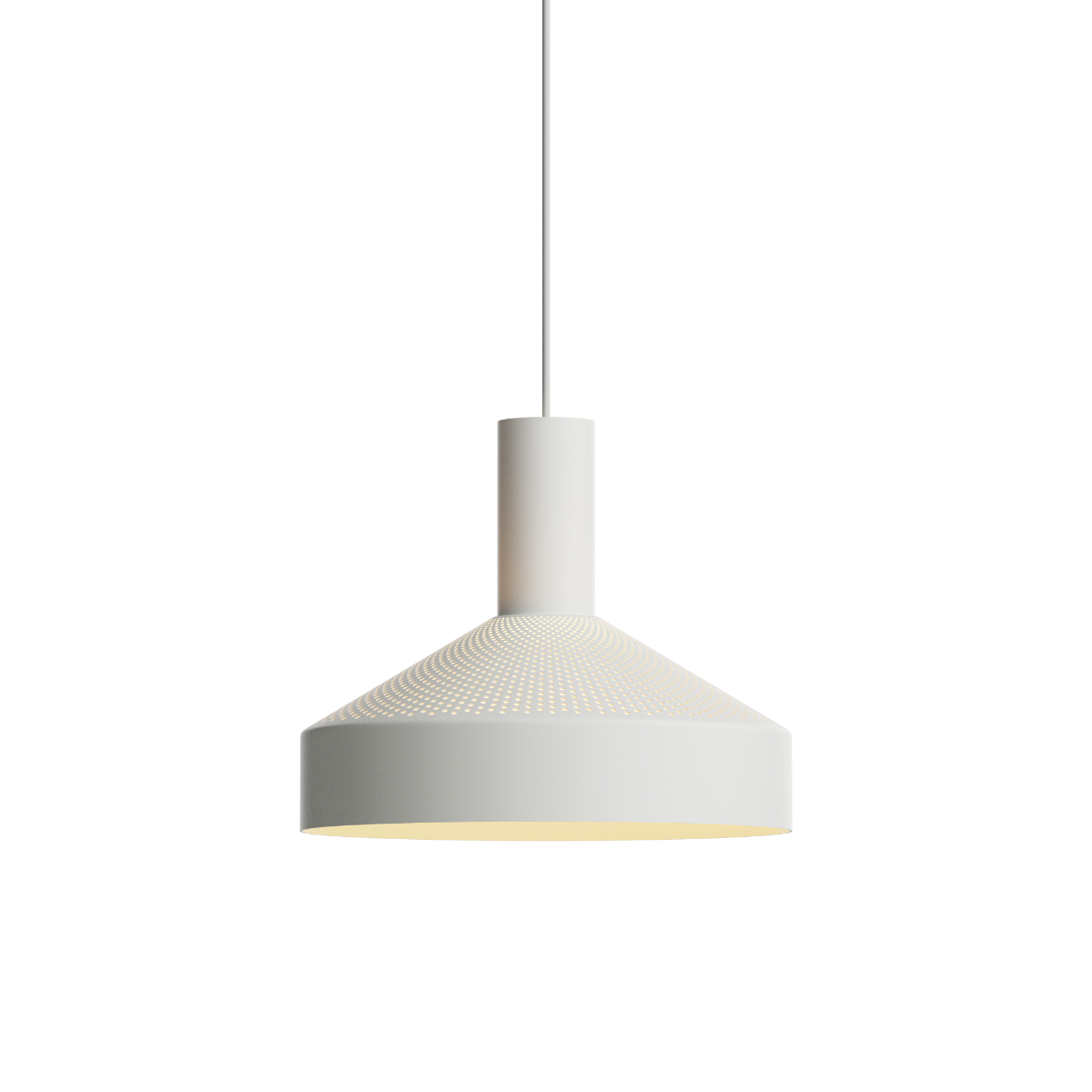
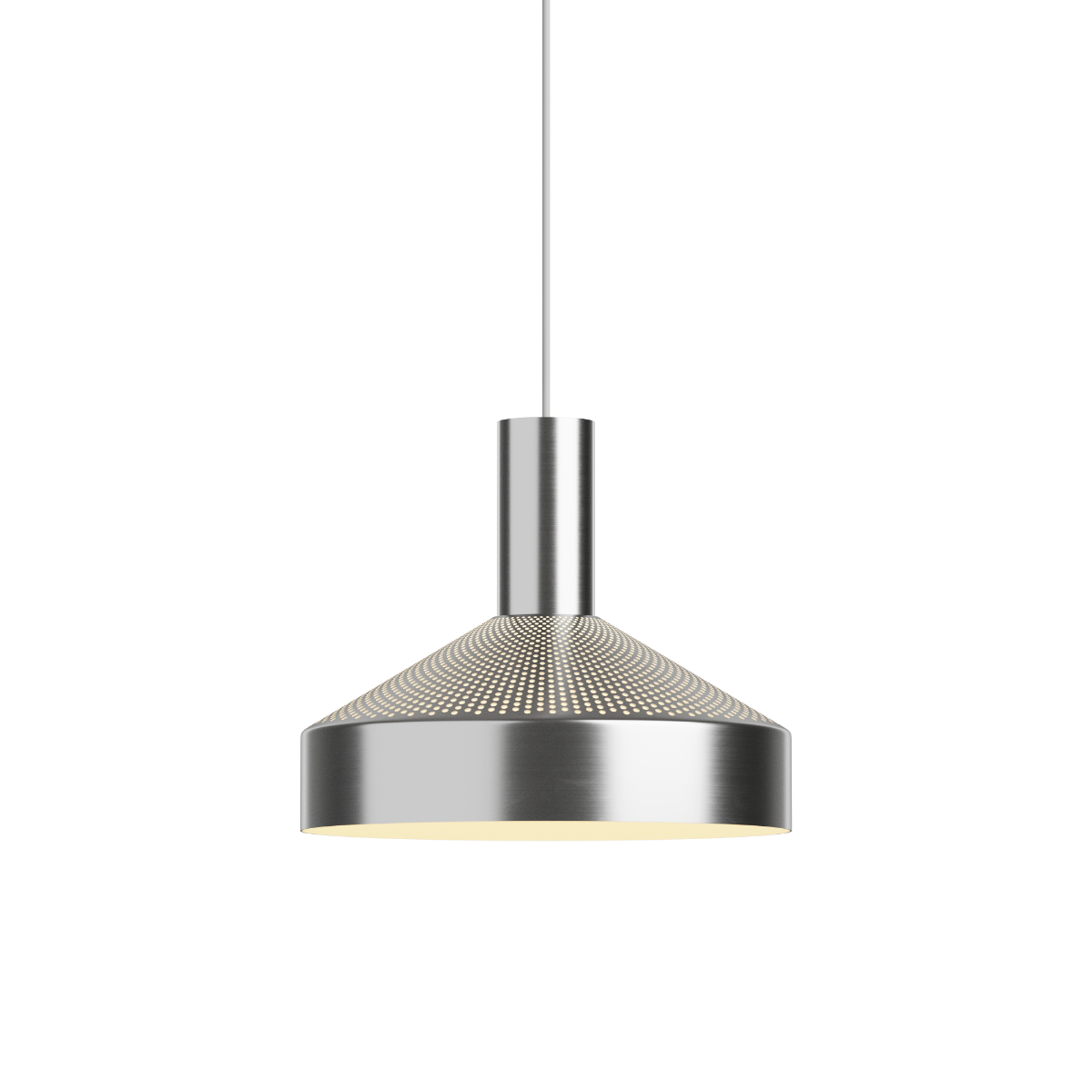
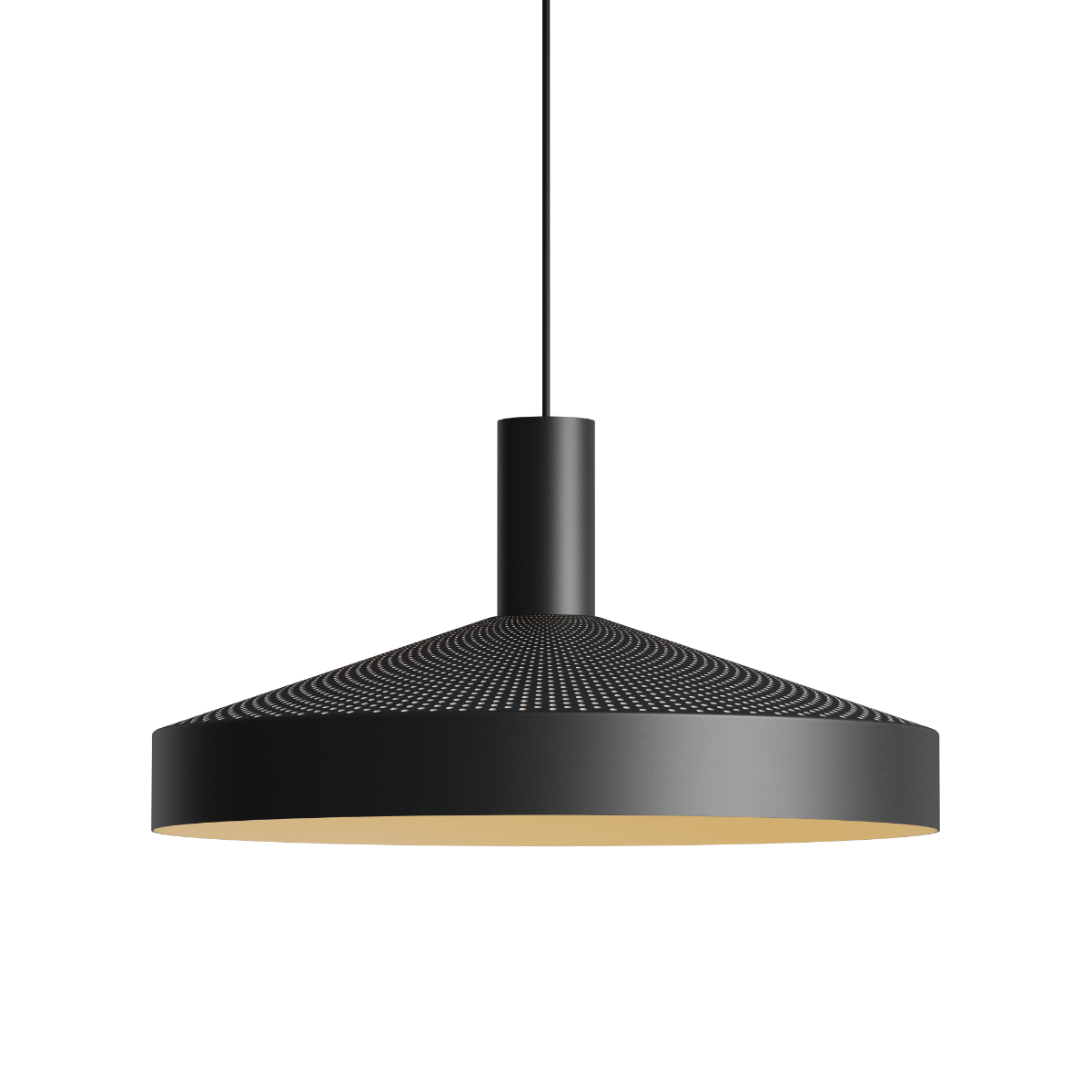
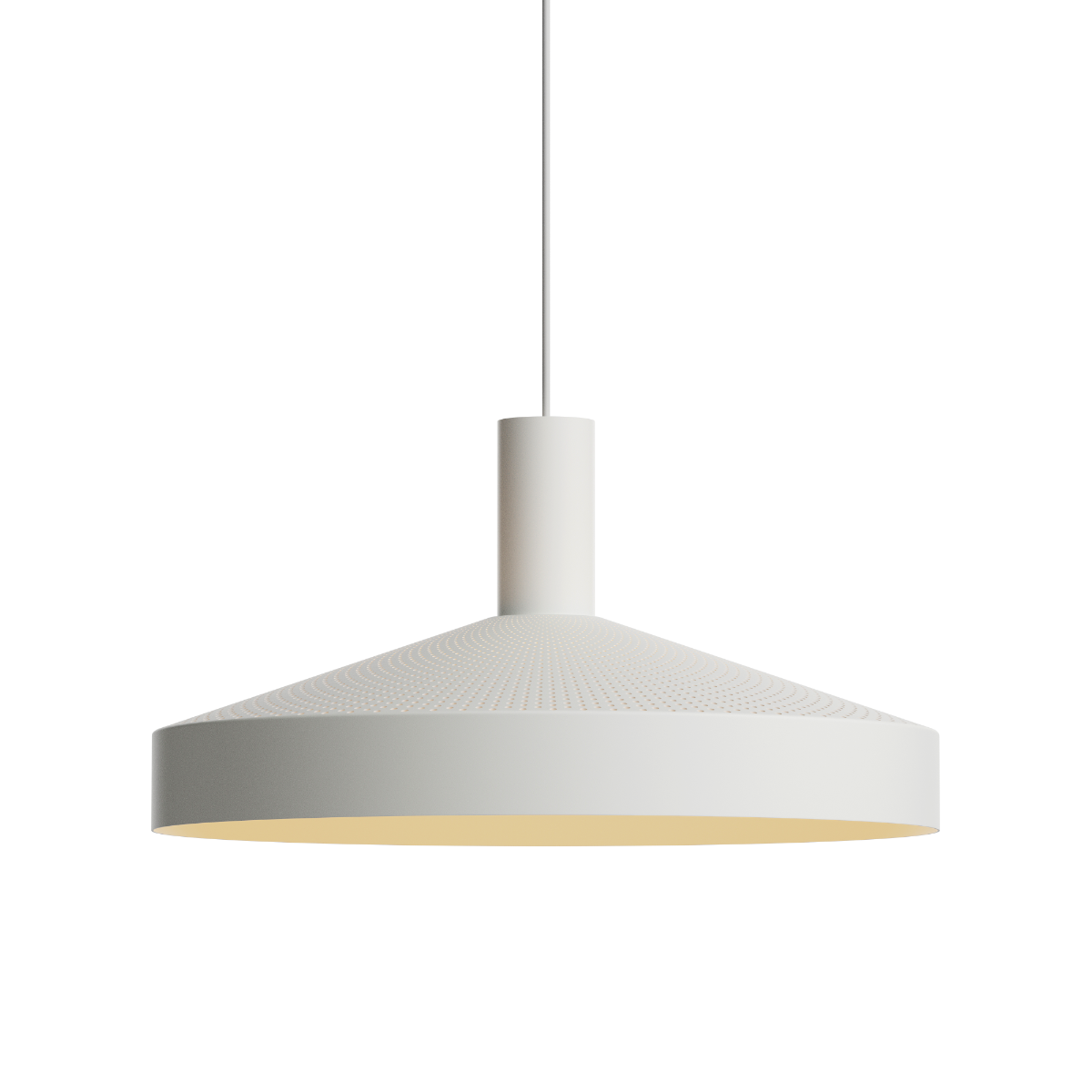
To explore different pendant styles and expressions in one place, these collections offer a useful starting point:
Dawn lamps
Expo lamps


Indoor LED lighting – flexibility, comfort, and everyday ease
Modern indoor LED lighting has changed the way we work with light. Where LED was once associated with cold, technical illumination, today’s solutions allow for warm, dimmable, and comfortable lighting.
When using LED lighting to create a cozy atmosphere, three factors matter most:
- Colour temperature: Warm white (2700–3000K) is ideal for living rooms and bedrooms
- Dimming: Adds flexibility and supports a more relaxed mood
- Placement: Indirect LED light feels calmer than direct spotlights
In living spaces, LED works well as background lighting and integrates naturally into designer wall lamps, where the light spreads softly throughout the room. In bedrooms, dimmable LED solutions help create a gentle transition from day to night.
LED lighting is also well suited for rooms where lights are frequently on – both because it’s energy efficient and because the light quality remains stable over time.
Keeping your lighting cozy over time
Even the best lighting setup loses its effect if it doesn’t work well in everyday life. Small adjustments can make a noticeabledifference:
- Dust lamps regularly – dust reduces light output
- Use dimming actively throughout the day
- Avoid overly bright or cool light sources in living areas
- Think in terms of the whole space rather than individual lamps
Many people find it easier to create a calm, cohesive interior when lamps are chosen from coordinated series. This helps connect spaces like the kitchen, living room, and hallway without making the home feel uniform.
Find cosy lighting at SACKit
We offer 30-day return policy.






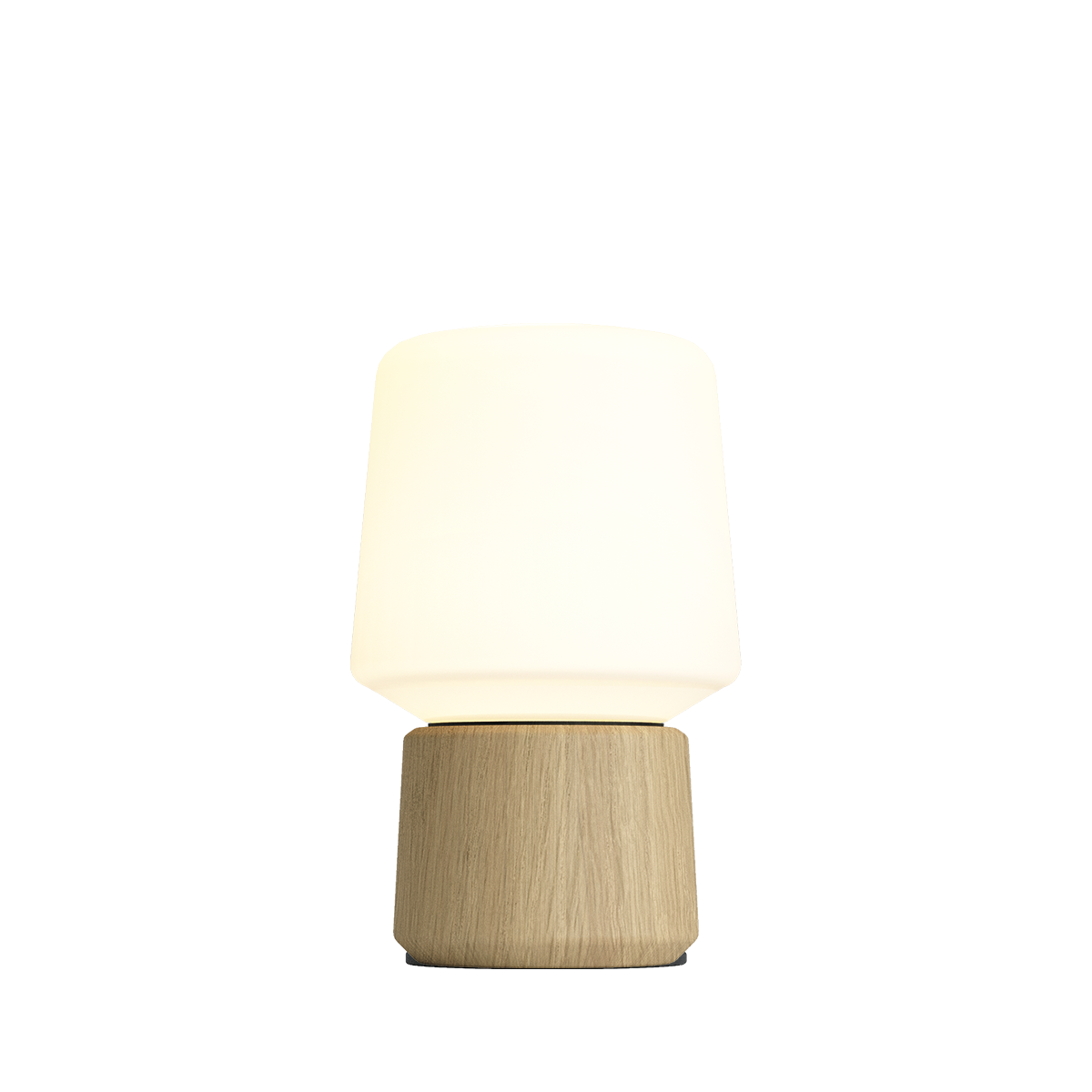
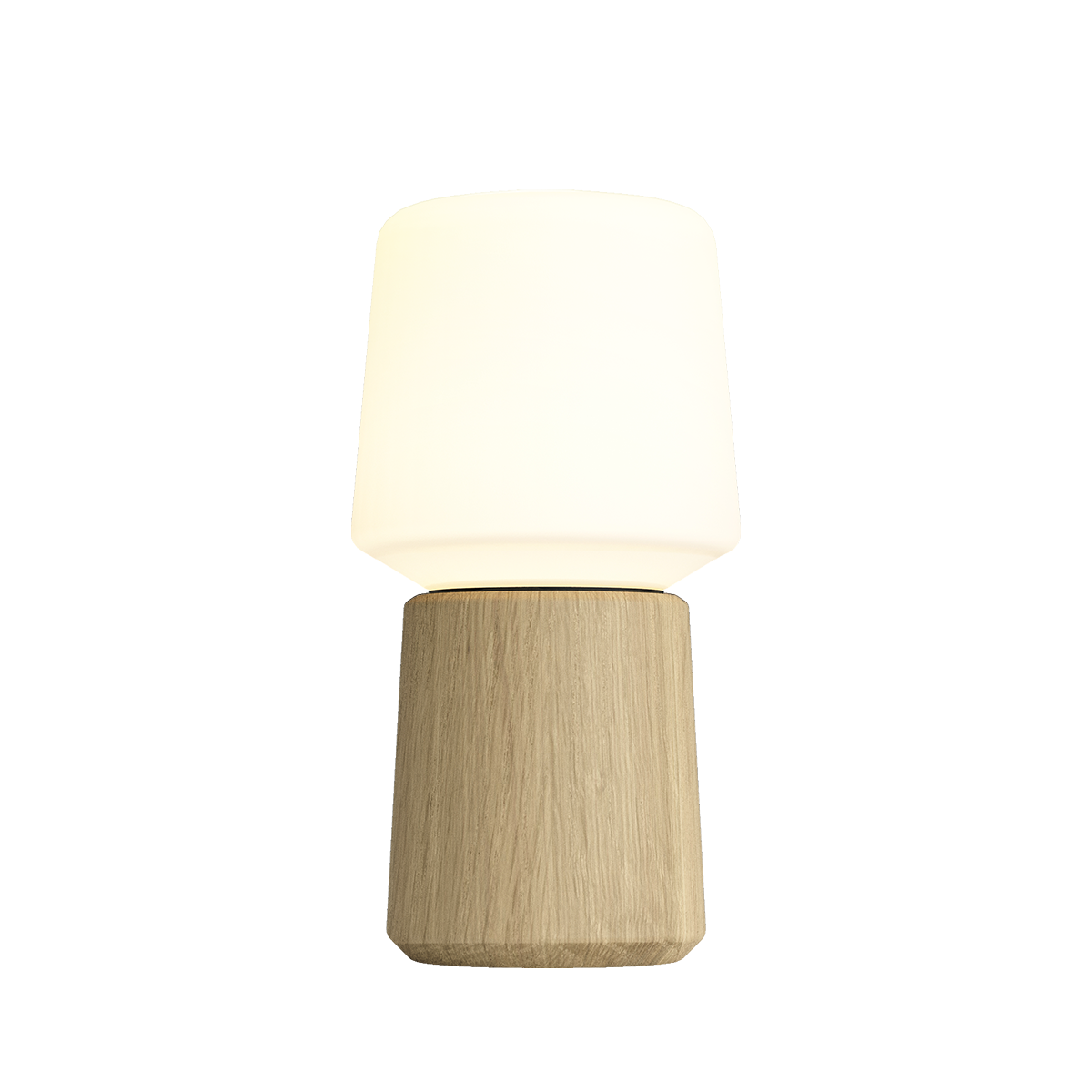


Ambience - Lamp Intelligent+ & London base
Indoor/Outdoor lamp with base of stainless steel


Indoor/Outdoor base for Lamp Intelligent in frostproof opal glass and stainless Steel


Ambience - Lamp Intelligent+ & Aalborg base
Indoor/Outdoor lamp with base in glass and steel


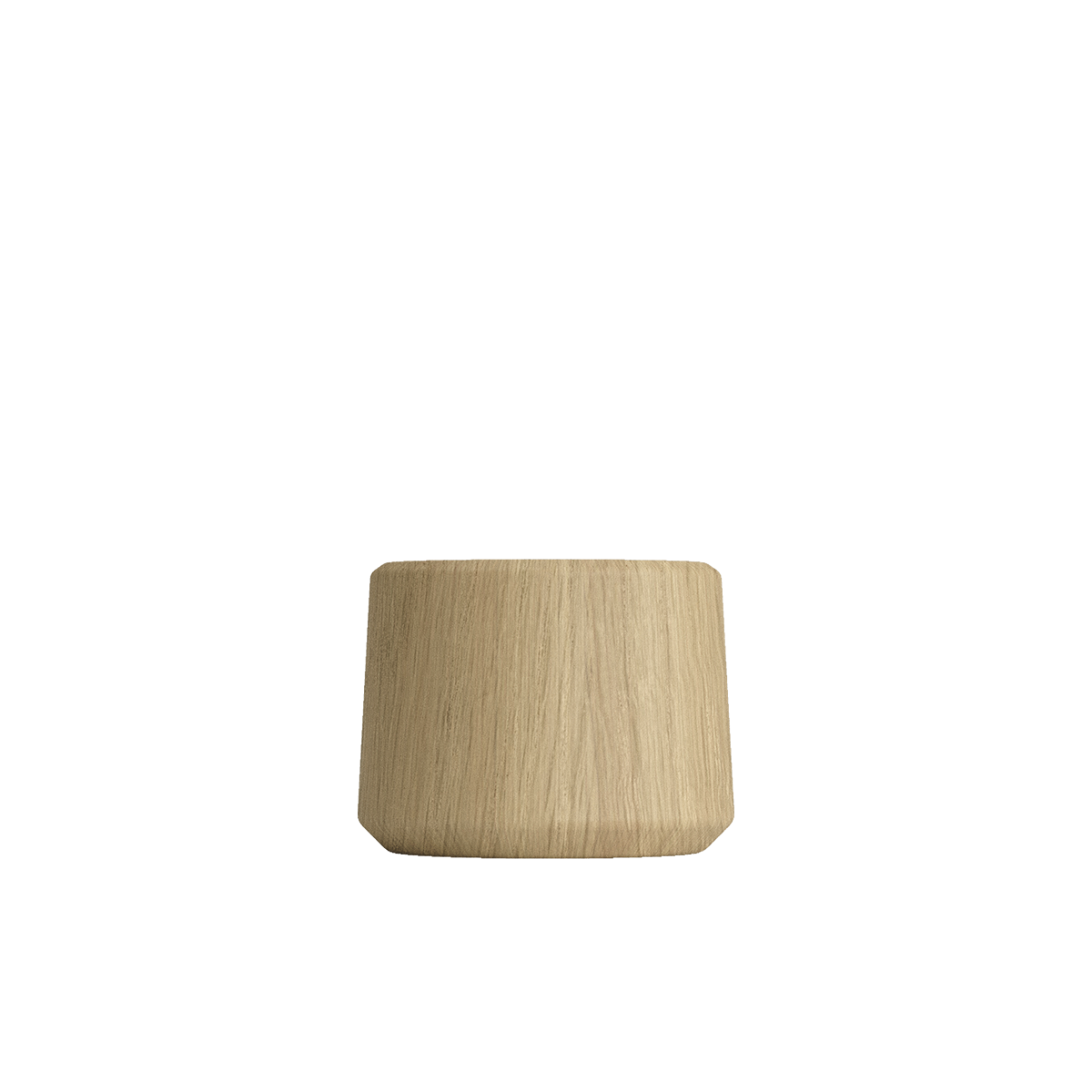
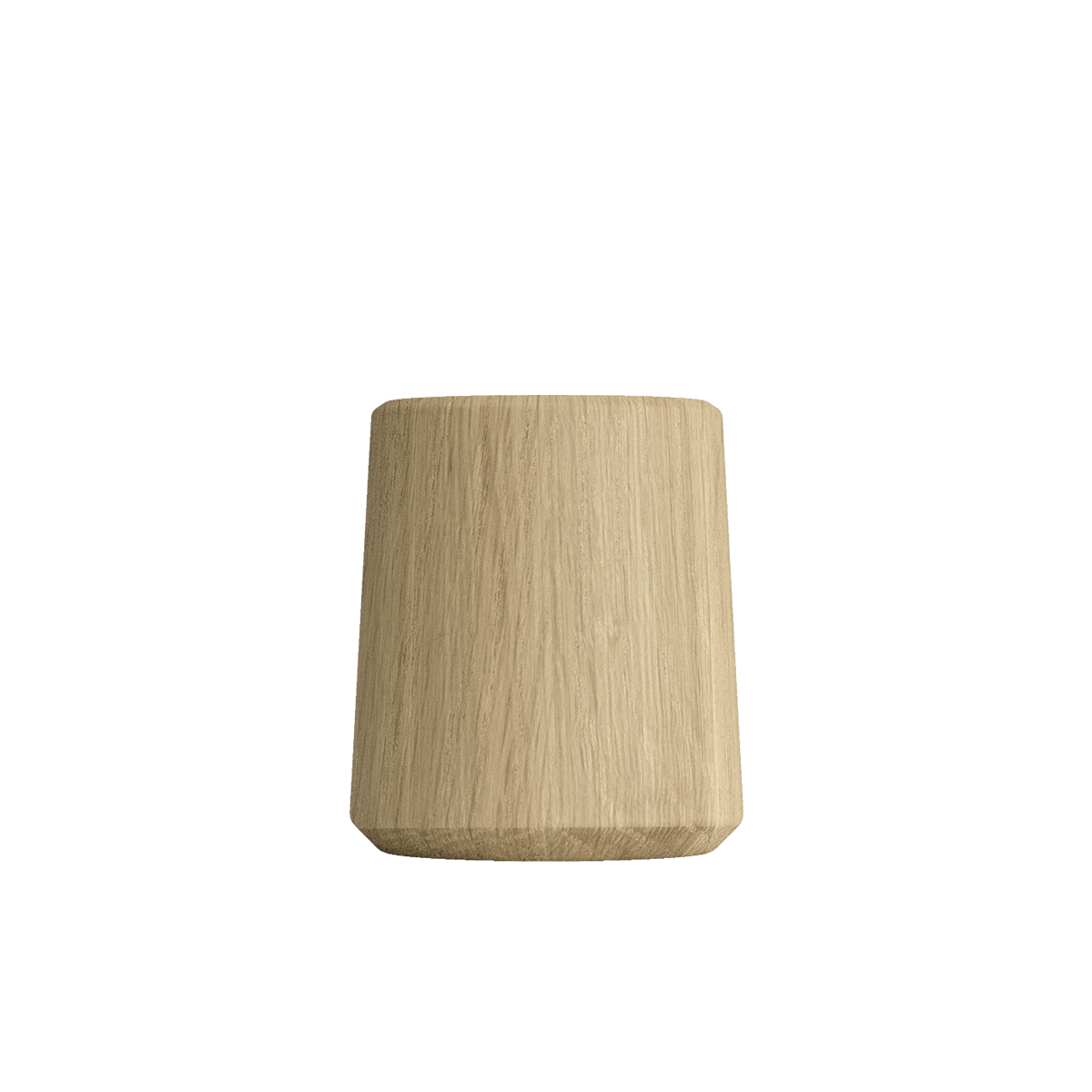


FAQ – common questions about cozy lighting
How many lamps should a living room have? Most living rooms work best with three to five light sources placed at different heights.
Is indoor LED lighting suitable for cozy atmospheres? Yes. Choose warm colour temperatures and, ideally, dimmable options.
How do you combine pendant lights and wall lamps? Pendant lights provide functional light, while wall lamps add atmosphere. Together, they create balance.
Can designer wall lamps stand alone? In smaller rooms, yes – but they work best as part of a layered lighting setup.